
The Dyatlov Pass Incident: Unsolved Mystery
FACTSFEATURED
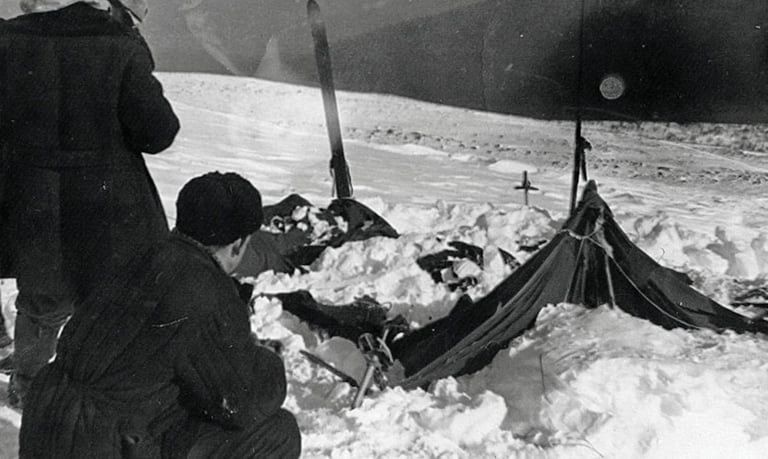
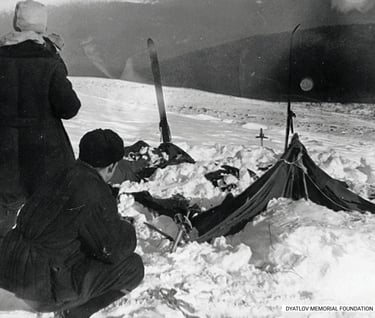
The Dyatlov Pass incident is one of the most mysterious and fascinating unsolved mysteries in history. There are many theories about what happened to the hikers, but the truth may never be known.
PHOTOGRAPH COURTESY OF THE DYATLOV MEMORIAL FOUNDATION
5 creepy facts about the Dyatlov Pass incident:
The group of hikers died under mysterious circumstances in the Ural Mountains in 1959. Their bodies were found scattered around their campsite, some with strange injuries.
The core mystery here is what makes the whole thing so unbelievably chilling. Imagine nine experienced, highly capable student hikers setting up camp high on a snowy slope in the Ural Mountains. They were tough; this was a routine trip for them. But something truly terrible happened in the middle of the night on February 2, 1959.
Instead of finding an orderly campsite when rescuers eventually arrived, they found one of the most confusing crime scenes imaginable. The hikers’ tent had been violently abandoned. They hadn't walked out through the zip-up front; they had slashed their way out through the fabric and fled into temperatures of minus 30 degrees Celsius. The nine bodies were found scattered in different locations, some nearly a mile away, and the terrifying truth is that they didn't all die from the cold. The very fact that this group of seasoned trekkers ran, without boots or adequate clothing, straight into a deadly blizzard is the first great, baffling horror of the Dyatlov Pass.
The temperature at the time of the incident was around -30 degrees Celsius, but the hikers were found only partially dressed. Some had only one shoe, while others wore only socks.
This is the fact that immediately kills any boring theory about the hikers just getting lost in a sudden blizzard. The temperature was a brutal minus 30 degrees Celsius or lower, a kind of cold that can kill a person fully dressed in minutes. Yet, when the bodies were recovered, they presented a disturbing scene of frantic, incomplete dressing.
Some were found in just their underwear or pajamas. Others were wearing just a single sock or one boot. This wasn't the slow, rational preparation of a group facing danger; this was an instant, overwhelming panic where survival instincts overrode every ounce of common sense. Why would nine experienced mountaineers run half naked into certain freezing death? Whatever they were running from had to be a far greater and more immediate terror than the cold they were running into. They didn't have time to zip up a jacket or lace a boot, turning this into a terrifying sprint from the tent to a slow, agonizing march toward hypothermia.
Some of the hikers had strange injuries, such as broken ribs and skull fractures. One hiker's tongue was missing, and another's eyes were missing.
If the first facts suggest panic, this one screams brutal, focused violence. When the bodies were eventually recovered, especially those found later buried in a ravine, the injuries were utterly confounding. Four of the hikers had suffered massive internal trauma. We’re talking severely broken ribs and cracked skulls—injuries a forensic expert stated would require a force equivalent to being hit by a car.
Crucially, however, these injuries were non-external. There were no defensive wounds, no bruises consistent with being beaten, and no signs of a struggle near the bodies. It was as if their chests were crushed by an invisible press or a catastrophic internal explosion. Adding to this unsettling picture, one hiker, Lyudmila Dubinina, was found with her tongue and eyes missing. This wasn't animal scavenging; the internal damage and missing soft tissues suggested something precise and deeply unnatural. It’s the kind of damage that has completely defied conventional explanations, forcing people to look outside the boundaries of normal crime or weather events.
There were no signs of a struggle at the campsite, and the hikers' belongings were left untouched.
If a group of nine people is attacked by humans, animals, or even the elements, you expect a struggle, maybe some scattered evidence of fighting, or at least some pilfering. But at Dyatlov Pass, the lack of struggle is one of the most chilling clues.
The campsite, once found, showed signs of a meal partially eaten and orderly organization—it was a routine stop interrupted. All the vital survival equipment was left behind: food supplies, winter boots, warm layers, and even cameras (which later yielded the infamous last photos). The absence of a struggle suggests the threat wasn't something they could fight, or something they were even aware of until it was too late. They abandoned everything they needed to live and fled through the side of the tent. It implies a terror so sudden, so overwhelming, and so immediate that the need to simply escape the fabric enclosure completely eclipsed the need to grab a coat. It’s not just baffling; it suggests they were running from something that violated the fundamental rules of being a survival threat.
The official cause of death was hypothermia, but many people believe that the hikers were killed by something more sinister.
In the end, after weeks of investigation into the bizarre scene, the Soviet authorities were faced with a dilemma: how do you officially explain nine deaths caused by non-external force, severe internal trauma, missing body parts, and a tent slashed from the inside?
Their solution was the ultimate in bureaucratic cowardice: the official report closed the case by stating the hikers had died due to a "compelling unknown force." While hypothermia was listed as the immediate cause of death for most, that phrase is the terrifying legacy of Dyatlov Pass. It’s the closest the state could come to admitting that nothing they knew—not a bear, not a criminal, not even the elements—could account for the way these experienced mountaineers met their end. This single, vague, and chilling official conclusion is why the case has spawned endless theories: secret government weapons tests, paradoxical deep snow slab avalanches, infighting that went horribly wrong, or perhaps the less rational but far more fun theories involving Yeti or aliens. Whatever the truth is, the official record basically throws its hands up and says, "We got nothing, it was just spooky."
The bodies of Alexander Kolevatov and Semyon Zolotaryov were found together. A camera was found around Zolotaryov's neck.
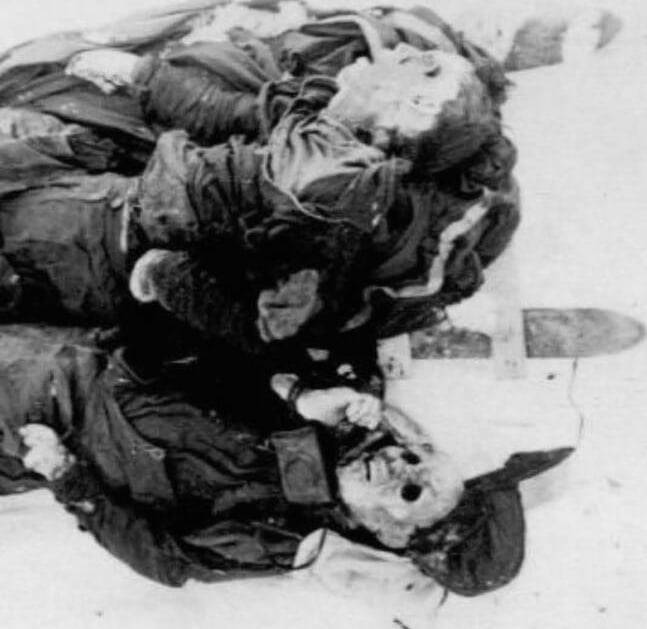
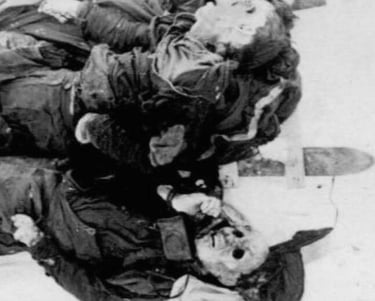
PUBLIC DOMAIN

The Case is Closed, But the Horror Lingers
So there you have it: five facts about the Dyatlov Pass Incident that make a simple accident impossible to believe. We have nine experienced hikers who panicked so hard they cut their way out of their tent; they ran into subzero temperatures wearing almost nothing; they suffered internal injuries equivalent to a major car crash with no external bruising; they left behind every single survival item they needed; and to top it all off, the official investigation concluded the cause of death was a "compelling unknown force."
The theories about what happened range from the perfectly rational (a rare, deep snow avalanche that generated a powerful infrasound scare) to the downright wild (secret Soviet weapon tests, a localized attack by a Yeti, or perhaps even a flash freeze caused by a blast of methane).
But here is the most unsettling takeaway: no single theory can cleanly account for every terrifying detail. No avalanche explains the missing tongue, and no human criminal explains the crushed ribs without external marks. The Dyatlov Pass Incident remains the ultimate true crime campfire story, a permanent chilling reminder that sometimes, the official version of events leaves the most terrifying question unanswered: If it wasn't the cold that killed them, what on earth were they running from?