
5 Foods That Are Good For The Heart
FOODSHEALTHFEATURED
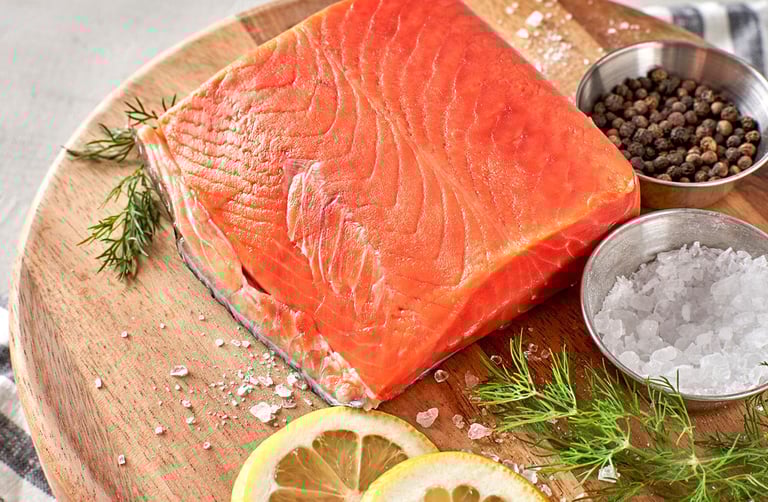
These foods are rich in fiber, antioxidants, vitamins, and minerals which can help protect heart health
5 foods that are good for the heart
1. Oatmeal
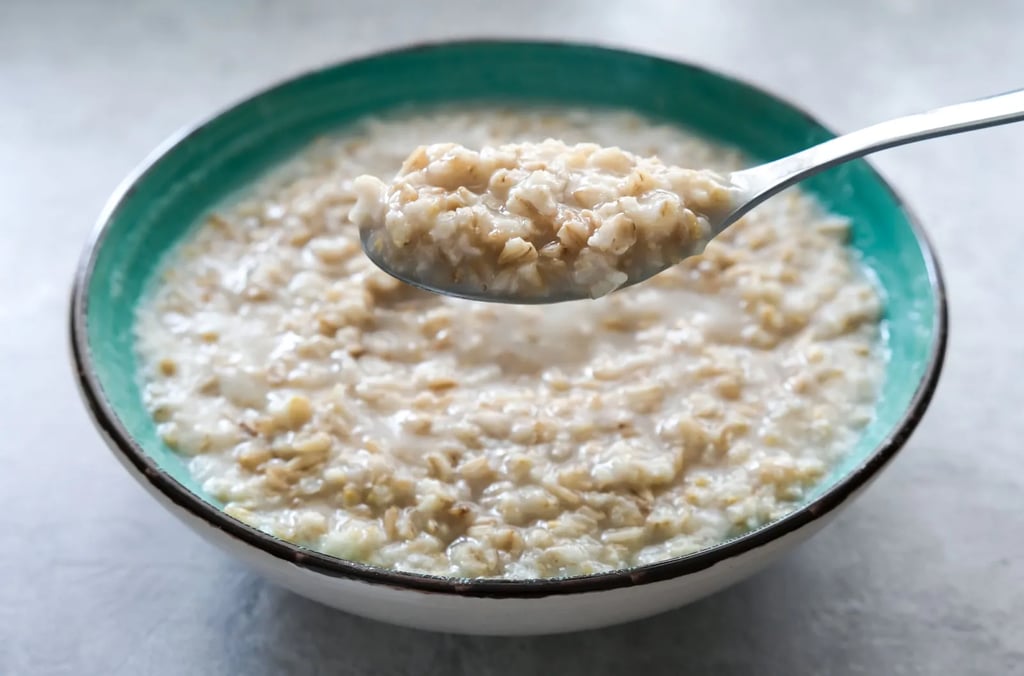
Oatmeal is a classic and nutritious breakfast option that has been enjoyed for centuries. Made from ground oats, this comforting dish is not only delicious but also packed with essential nutrients that support heart health. Here's why oatmeal should be a staple in your diet and how to prepare it for maximum benefit.
Nutritional Benefits of Oatmeal
Oatmeal is renowned for its heart-healthy properties, primarily due to its high fiber content. Here are some of the key benefits:
Rich in Soluble Fiber: Oats contain beta-glucan, a type of soluble fiber that helps to lower LDL (bad) cholesterol levels. This, in turn, reduces the risk of heart disease.
LDL Cholesterol Reduction=Beta-Glucan→Lower Risk of Heart DiseaseLowers Blood Pressure: The fiber and potassium in oats help to regulate blood pressure, promoting better cardiovascular health.
Supports Weight Management: The high fiber content in oats promotes satiety, helping you feel full and reducing overall calorie intake.
Stabilizes Blood Sugar: Oats have a low glycemic index, which means they help to stabilize blood sugar levels, making them an excellent choice for people with diabetes or those at risk of developing the condition.
How to Prepare Heart-Healthy Oatmeal
Basic Oatmeal Recipe
Ingredients:
1/2 cup rolled oats
1 cup water or milk (dairy or plant-based)
1 tablespoon chia seeds (optional, for added fiber and omega-3s)
1 tablespoon flaxseeds (optional, for added fiber and omega-3s)
1 teaspoon honey or maple syrup (optional, for sweetness)
A pinch of salt
Toppings of your choice (e.g., fresh fruit, nuts, seeds, nut butter)
Instructions:
Combine Ingredients: In a small saucepan, combine the oats, water or milk, chia seeds, flaxseeds, and a pinch of salt.
Cook: Bring the mixture to a boil over medium heat, then reduce the heat to low and let it simmer for about 5-7 minutes, stirring occasionally, until the oats are tender and the mixture has thickened.
Sweetener (Optional): Stir in honey or maple syrup if desired.
Toppings: Transfer the oatmeal to a bowl and add your favorite toppings, such as fresh fruit, nuts, seeds, or nut butter.
Serve: Enjoy your heart-healthy oatmeal immediately while it's still warm.
Overnight Oats
For a convenient and time-saving option, try making overnight oats. Simply combine the ingredients in a jar or container, let it sit in the refrigerator overnight, and enjoy a ready-to-eat breakfast in the morning.
Instructions:
Combine Ingredients: In a jar or container, combine the oats, chia seeds, flaxseeds, and your choice of milk (dairy or plant-based).
Sweetener (Optional): Add honey or maple syrup if desired.
Toppings: Add your favorite toppings, such as fresh fruit, nuts, seeds, or nut butter.
Refrigerate: Seal the jar or container and refrigerate overnight.
Serve: In the morning, give the mixture a good stir and enjoy your heart-healthy overnight oats.
Tips for Maximizing Heart Health Benefits
Choose Whole Oats: Opt for steel-cut or rolled oats instead of instant oats, as they contain more fiber and nutrients.
Add Healthy Fats: Incorporate healthy fats like nuts, seeds, and nut butter to increase the heart-healthy benefits of your oatmeal.
Avoid Added Sugars: Limit the amount of added sugars in your oatmeal by using natural sweeteners like honey or maple syrup sparingly.
Oatmeal is a versatile and nutritious breakfast option that can be customized to suit your taste preferences. By incorporating oatmeal into your diet, you can enjoy a delicious and heart-healthy start to your day.
© ReaLiia/stock.adobe.com
2. Salmon
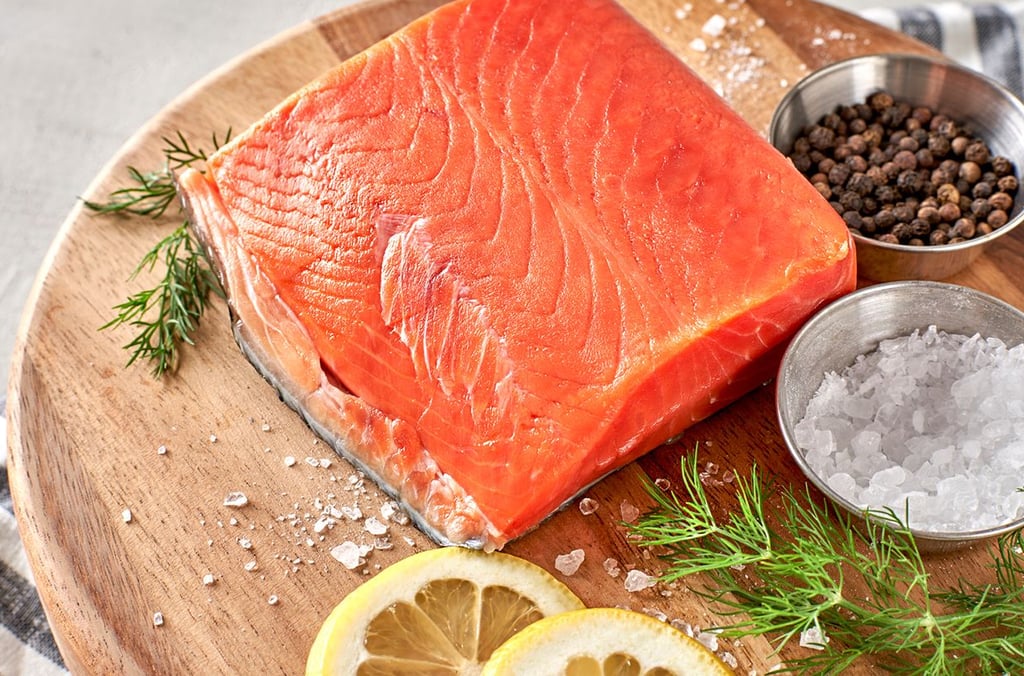
Salmon is a highly nutritious and delicious fish that is renowned for its heart-healthy benefits. Packed with omega-3 fatty acids, high-quality protein, and essential vitamins and minerals, salmon is an excellent addition to a balanced diet. Here's why salmon should be a regular part of your meals and how to prepare it for maximum heart health benefits.
Nutritional Benefits of Salmon
Salmon is a nutritional powerhouse, offering a wide range of health benefits, particularly for heart health. Here are some of the key benefits:
Rich in Omega-3 Fatty Acids: Salmon is one of the best dietary sources of omega-3 fatty acids, specifically EPA and DHA. These essential fats help to reduce inflammation, lower triglycerides, and decrease the risk of heart disease.
Omega-3 Fatty Acids→Reduced Inflammation→Lower Triglycerides→Decreased Risk of Heart DiseaseHigh-Quality Protein: Salmon is an excellent source of high-quality protein, which is essential for maintaining and repairing tissues in the body.
Supports Brain Health: The omega-3 fatty acids in salmon are crucial for brain health, as they support cognitive function and may reduce the risk of neurodegenerative diseases.
Rich in Vitamins and Minerals: Salmon is packed with essential vitamins and minerals, including vitamin D, vitamin B12, selenium, and potassium, which support overall health and well-being.
How to Prepare Heart-Healthy Salmon
Basic Baked Salmon Recipe
Ingredients:
2 salmon fillets (about 6 oz each)
1 tablespoon olive oil
1 lemon, sliced
2 cloves garlic, minced
1 teaspoon dried oregano
1 teaspoon dried thyme
Salt and pepper to taste
Fresh parsley, chopped (for garnish)
Instructions:
Preheat Oven: Preheat your oven to 400°F (200°C).
Prepare Salmon: Place the salmon fillets on a baking sheet lined with parchment paper.
Season: Drizzle the salmon with olive oil and sprinkle with minced garlic, oregano, thyme, salt, and pepper.
Add Lemon: Place lemon slices on top of the salmon fillets.
Bake: Bake the salmon for 12-15 minutes, or until the internal temperature reaches 145°F (63°C) and the salmon flakes easily with a fork.
Garnish: Sprinkle the baked salmon with fresh parsley before serving.
Grilled Salmon Recipe
Ingredients:
2 salmon fillets (about 6 oz each)
1 tablespoon olive oil
1 teaspoon smoked paprika
1 teaspoon garlic powder
1 teaspoon onion powder
Salt and pepper to taste
Lemon wedges (for serving)
Instructions:
Preheat Grill: Preheat your grill to medium-high heat.
Prepare Salmon: Place the salmon fillets on a plate.
Season: Drizzle the salmon with olive oil and sprinkle with smoked paprika, garlic powder, onion powder, salt, and pepper.
Grill: Place the salmon fillets on the grill, skin-side down, and cook for 4-5 minutes on each side, or until the internal temperature reaches 145°F (63°C) and the salmon flakes easily with a fork.
Serve: Serve the grilled salmon with lemon wedges on the side.
Tips for Maximizing Heart Health Benefits
Choose Wild-Caught Salmon: Wild-caught salmon tends to have higher levels of omega-3 fatty acids and lower levels of contaminants compared to farmed salmon.
Pair with Heart-Healthy Sides: Serve salmon with heart-healthy sides like quinoa, brown rice, or a variety of steamed vegetables to create a balanced and nutritious meal.
Limit High-Temperature Cooking: To preserve the omega-3 fatty acids, avoid cooking salmon at very high temperatures for extended periods.
Salmon is a versatile and delicious fish that can be prepared in numerous ways to suit your taste preferences. By incorporating salmon into your diet, you can enjoy a heart-healthy and nutritious meal that supports overall well-being.
© Stocksy
3. Nuts
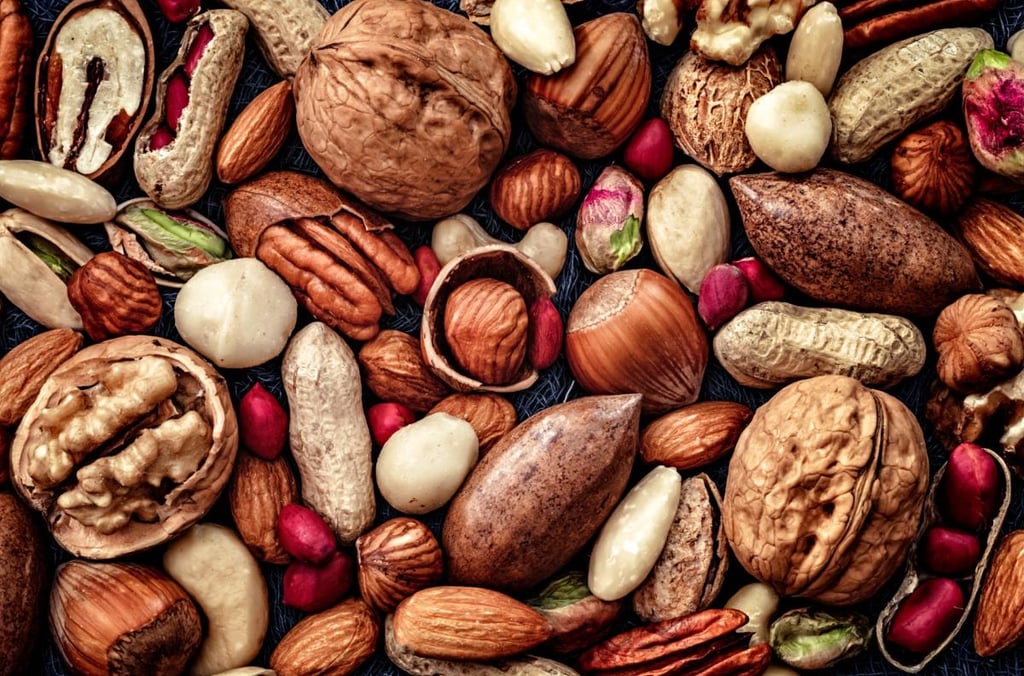
Nuts are a nutrient-dense and delicious snack that offers numerous health benefits, particularly for heart health. Packed with healthy fats, fiber, protein, and essential vitamins and minerals, nuts are an excellent addition to a balanced diet. Here's why nuts should be a regular part of your meals and how to incorporate them into your diet for maximum heart health benefits.
Nutritional Benefits of Nuts
Nuts are a nutritional powerhouse, offering a wide range of health benefits, particularly for heart health. Here are some of the key benefits:
Rich in Healthy Fats: Nuts are high in monounsaturated and polyunsaturated fats, which help to lower LDL (bad) cholesterol levels and reduce the risk of heart disease.
Healthy Fats→Lower LDL Cholesterol→Reduced Risk of Heart DiseaseHigh in Fiber: The fiber in nuts supports digestive health, promotes satiety, and helps to lower cholesterol levels.
Packed with Protein: Nuts are a good source of plant-based protein, which is essential for maintaining and repairing tissues in the body.
Rich in Antioxidants: Nuts contain antioxidants like vitamin E and selenium, which help to reduce oxidative stress and inflammation.
Supports Weight Management: The combination of healthy fats, fiber, and protein in nuts promotes satiety, helping to control appetite and support weight management.
Popular Types of Nuts and Their Benefits
Almonds
Rich in Vitamin E: Almonds are one of the best dietary sources of vitamin E, a powerful antioxidant that supports heart health.
Supports Blood Sugar Control: The healthy fats, fiber, and protein in almonds help to stabilize blood sugar levels.
Walnuts
High in Omega-3 Fatty Acids: Walnuts are one of the best plant-based sources of omega-3 fatty acids, which support heart and brain health.
Promotes Gut Health: The prebiotic fiber in walnuts supports a healthy gut microbiome.
Pistachios
Supports Heart Health: Pistachios have been shown to lower LDL cholesterol and improve blood vessel function.
Rich in Potassium: Pistachios are a good source of potassium, which helps to regulate blood pressure.
Cashews
Supports Bone Health: Cashews are a good source of magnesium, which is essential for bone health.
Rich in Iron: Cashews contain iron, which is important for oxygen transport in the body.
How to Incorporate Nuts into Your Diet
Snacking
Handful of Nuts: Enjoy a handful of mixed nuts as a quick and nutritious snack.
Trail Mix: Create your own trail mix by combining nuts with dried fruit, seeds, and a touch of dark chocolate.
Cooking and Baking
Nut Butters: Use nut butters like almond butter or peanut butter in smoothies, oatmeal, or as a spread on whole-grain toast.
Nut Oils: Use nut oils like almond oil or walnut oil in salad dressings or for low-heat cooking.
Meal Toppings
Salads: Sprinkle chopped nuts on top of salads for added crunch and nutrition.
Yogurt and Oatmeal: Add nuts to yogurt, oatmeal, or smoothie bowls for extra protein and healthy fats.
Tips for Maximizing Heart Health Benefits
Choose Raw or Dry-Roasted Nuts: Opt for raw or dry-roasted nuts instead of those that are fried or coated in salt and sugar.
Portion Control: While nuts are nutritious, they are also calorie-dense. Stick to a handful (about 1 oz or 28 grams) per serving to avoid overeating.
Variety is Key: Incorporate a variety of nuts into your diet to benefit from their unique nutritional profiles.
Nuts are a versatile and delicious addition to a heart-healthy diet. By incorporating nuts into your meals and snacks, you can enjoy a nutritious and satisfying way to support overall health and well-being.
© Fine Dining Lovers Website
4. Berries
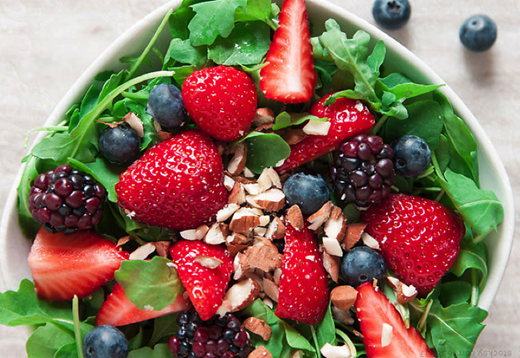
Berries are not only delicious but also packed with essential nutrients that support heart health. These vibrant and flavorful fruits are rich in antioxidants, fiber, and vitamins, making them an excellent addition to a balanced diet. Here's why berries should be a regular part of your meals and how to incorporate them into your diet for maximum heart health benefits.
Nutritional Benefits of Berries
Berries are a nutritional powerhouse, offering a wide range of health benefits, particularly for heart health. Here are some of the key benefits:
Rich in Antioxidants: Berries are high in antioxidants like anthocyanins, flavonoids, and vitamin C, which help to reduce oxidative stress and inflammation.
Antioxidants→Reduced Oxidative Stress→Lower InflammationHigh in Fiber: The fiber in berries supports digestive health, promotes satiety, and helps to lower cholesterol levels.
Supports Blood Pressure: The potassium in berries helps to regulate blood pressure, promoting better cardiovascular health.
Low in Calories: Berries are low in calories, making them an excellent choice for weight management.
Popular Types of Berries and Their Benefits
Strawberries
Rich in Vitamin C: Strawberries are one of the best dietary sources of vitamin C, a powerful antioxidant that supports immune function and heart health.
Supports Blood Sugar Control: The fiber and antioxidants in strawberries help to stabilize blood sugar levels.
Blueberries
Promotes Brain Health: Blueberries are rich in antioxidants that support cognitive function and may reduce the risk of neurodegenerative diseases.
Supports Heart Health: The anthocyanins in blueberries help to improve blood vessel function and reduce the risk of heart disease.
Raspberries
High in Fiber: Raspberries are one of the highest fiber-containing fruits, which support digestive health and promote satiety.
Rich in Ellagic Acid: Raspberries contain ellagic acid, a compound that has been shown to have anti-cancer properties.
Blackberries
Supports Digestive Health: The high fiber content in blackberries supports digestive health and promotes regularity.
Rich in Vitamin K: Blackberries are a good source of vitamin K, which is essential for blood clotting and bone health.
How to Incorporate Berries into Your Diet
Snacking
Fresh Berries: Enjoy a handful of fresh berries as a quick and nutritious snack.
Frozen Berries: Use frozen berries in smoothies or as a topping for yogurt or oatmeal.
Cooking and Baking
Berry Smoothies: Blend berries with yogurt, milk, and a touch of honey for a delicious and nutritious smoothie.
Berry Compote: Cook down berries with a touch of sugar and lemon juice to make a compote that can be used as a topping for pancakes, waffles, or yogurt.
Meal Toppings
Salads: Add fresh berries to salads for a burst of flavor and nutrition.
Oatmeal and Yogurt: Top oatmeal, yogurt, or smoothie bowls with fresh or frozen berries for added vitamins and antioxidants.
Tips for Maximizing Heart Health Benefits
Choose Fresh or Frozen: Opt for fresh or frozen berries instead of canned or processed berries, which may contain added sugars.
Variety is Key: Incorporate a variety of berries into your diet to benefit from their unique nutritional profiles.
Portion Control: While berries are nutritious, they are also calorie-dense. Stick to a handful (about 1 cup) per serving to avoid overeating.
Berries are a versatile and delicious addition to a heart-healthy diet. By incorporating berries into your meals and snacks, you can enjoy a nutritious and satisfying way to support overall health and well-being.
© John Hopkins Medicine Website
5. Dark Chocolate


Dark chocolate is not only a delicious treat but also a powerful source of antioxidants and essential minerals that support heart health. Made from the seeds of the cacao tree, dark chocolate is rich in flavonoids, which have been shown to have numerous health benefits. Here's why dark chocolate should be a regular part of your diet and how to incorporate it into your meals for maximum heart health benefits.
Nutritional Benefits of Dark Chocolate
Dark chocolate is a nutritional powerhouse, offering a wide range of health benefits, particularly for heart health. Here are some of the key benefits:
Rich in Antioxidants: Dark chocolate is high in flavonoids, a type of antioxidant that helps to reduce oxidative stress and inflammation.
Antioxidants→Reduced Oxidative Stress→Lower InflammationSupports Blood Vessel Function: The flavonoids in dark chocolate help to improve blood vessel function, promoting better circulation and reducing the risk of heart disease.
Lowers Blood Pressure: The flavonoids and minerals like magnesium and potassium in dark chocolate help to regulate blood pressure, promoting better cardiovascular health.
Rich in Minerals: Dark chocolate is a good source of essential minerals like iron, magnesium, copper, and manganese, which support overall health and well-being.
How to Choose Heart-Healthy Dark Chocolate
Look for High Cocoa Content
Cocoa Percentage: Opt for dark chocolate with a cocoa content of at least 70% or higher. The higher the cocoa content, the more antioxidants and less sugar the chocolate contains.
Check the Ingredient List
Avoid Added Sugars: Choose dark chocolate that is low in added sugars and free from artificial ingredients.
Look for Cacao or Cocoa: The ingredient list should include cacao or cocoa as the primary ingredient, followed by cocoa butter and a minimal amount of added sugar.
How to Incorporate Dark Chocolate into Your Diet
Snacking
Dark Chocolate Squares: Enjoy a small square (about 1 oz or 28 grams) of dark chocolate as a quick and nutritious snack.
Dark Chocolate Chips: Use dark chocolate chips in a trail mix or as a topping for yogurt or oatmeal.
Cooking and Baking
Dark Chocolate Smoothie: Blend dark chocolate with bananas, milk, and a touch of honey for a delicious and nutritious smoothie.
Dark Chocolate Bark: Melt dark chocolate and spread it on a baking sheet. Sprinkle with nuts, seeds, or dried fruit, then let it cool and break into pieces for a homemade chocolate bark.
Meal Toppings
Desserts: Use dark chocolate in desserts like brownies, cookies, or cakes for a healthier twist.
Fruit Dip: Melt dark chocolate and use it as a dip for fresh fruit like strawberries, bananas, or apple slices.
Tips for Maximizing Heart Health Benefits
Portion Control: While dark chocolate is nutritious, it is also calorie-dense. Stick to a small square (about 1 oz or 28 grams) per serving to avoid overeating.
Choose Quality: Opt for high-quality dark chocolate with a high cocoa content and minimal added sugars.
Pair with Healthy Foods: Combine dark chocolate with heart-healthy foods like nuts, seeds, and fresh fruit to create a balanced and nutritious treat.
Dark chocolate is a versatile and delicious addition to a heart-healthy diet. By incorporating dark chocolate into your meals and snacks, you can enjoy a nutritious and satisfying way to support overall health and well-being. Happy indulging!
© HealthEssentials Website

Incorporating heart-healthy foods like oatmeal, salmon, nuts, berries, and dark chocolate into your diet is a delicious and effective way to support cardiovascular health. Each of these foods offers unique nutritional benefits that contribute to overall well-being. By understanding the science behind their heart-healthy properties and learning how to prepare and incorporate them into your meals, you can create a balanced and enjoyable diet that promotes long-term health.
Key Takeaways
Oatmeal: Rich in soluble fiber, oatmeal helps to lower LDL cholesterol and stabilize blood sugar levels.
Salmon: Packed with omega-3 fatty acids, salmon supports heart health by reducing inflammation and lowering triglycerides.
Nuts: High in healthy fats, fiber, and antioxidants, nuts promote heart health and support weight management.
Berries: Loaded with antioxidants and fiber, berries help to reduce oxidative stress and inflammation.
Dark Chocolate: Rich in flavonoids, dark chocolate improves blood vessel function and supports cardiovascular health.
Practical Tips for a Heart-Healthy Diet
Variety is Key: Incorporate a variety of heart-healthy foods into your diet to benefit from their unique nutritional profiles.
Portion Control: Pay attention to portion sizes to avoid overeating, even with nutritious foods.
Quality Matters: Choose high-quality, minimally processed versions of these foods to maximize their health benefits.
Balance and Enjoyment: Create a balanced diet that includes a variety of nutrient-dense foods and allows for occasional treats.
By embracing these heart-healthy foods and making them a regular part of your diet, you can enjoy a delicious and nutritious way to support your cardiovascular health and overall well-being.