
5 Foods That Are Rich In Carbohydrates
FOODSHEALTHFEATURED
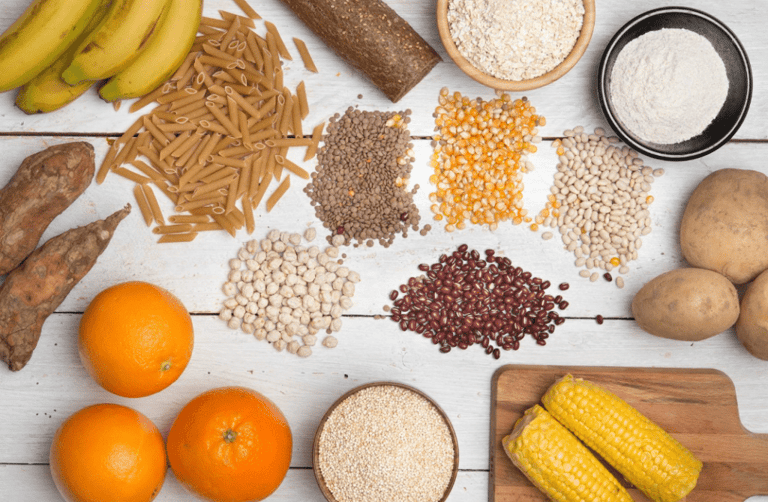
Carbohydrates are an important part of a healthy diet. They provide the body with glucose, which is the body's main source of energy. Glucose is used by the brain, muscles, and other organs to function properly.
5 Foods That Are Rich In Carbohydrates
1. Whole Grains
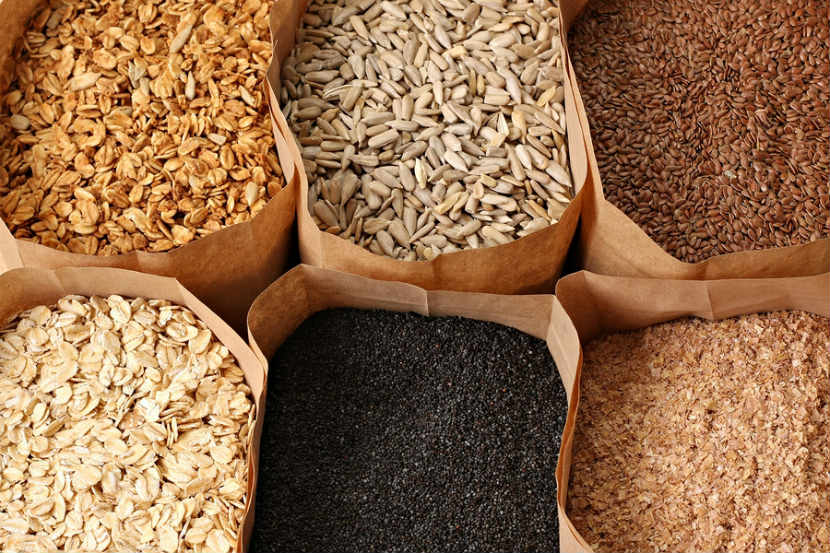
Whole grains are a cornerstone of a healthy diet, offering a wealth of nutrients that support overall health and well-being. Unlike refined grains, which have been stripped of their bran and germ, whole grains retain all parts of the kernel, providing fiber, vitamins, minerals, and antioxidants. Here's why whole grains should be a regular part of your diet and how to incorporate them into your meals for maximum health benefits.
Nutritional Benefits of Whole Grains
Whole grains are packed with essential nutrients that contribute to various aspects of health. Here are some of the key benefits:
Rich in Fiber: Whole grains are an excellent source of dietary fiber, which supports digestive health, promotes satiety, and helps to lower cholesterol levels.
Fiber→Supports Digestive Health→Promotes Satiety→Lowers CholesterolHigh in B Vitamins: Whole grains are rich in B vitamins like thiamine, riboflavin, niacin, and folate, which are essential for energy metabolism and overall health.
Supports Heart Health: The fiber, antioxidants, and phytochemicals in whole grains help to reduce the risk of heart disease by lowering cholesterol levels and improving blood vessel function.
Rich in Minerals: Whole grains contain essential minerals like magnesium, selenium, and iron, which support various bodily functions, including muscle and nerve function, immune health, and oxygen transport.
Popular Types of Whole Grains and Their Benefits
Brown Rice
Supports Digestive Health: The fiber in brown rice promotes regularity and supports a healthy gut microbiome.
Rich in Magnesium: Brown rice is a good source of magnesium, which is essential for muscle and nerve function.
Quinoa
Complete Protein: Quinoa is one of the few plant-based complete proteins, containing all nine essential amino acids.
Rich in Iron: Quinoa is a good source of iron, which is important for oxygen transport in the body.
Whole Wheat
Supports Heart Health: The fiber in whole wheat helps to lower cholesterol levels and reduce the risk of heart disease.
Rich in B Vitamins: Whole wheat is a good source of B vitamins, which are essential for energy metabolism.
Oats
Rich in Soluble Fiber: Oats are high in soluble fiber, which helps to lower LDL (bad) cholesterol levels and stabilize blood sugar levels.
Supports Weight Management: The fiber and protein in oats promote satiety, helping to control appetite and support weight management.
How to Incorporate Whole Grains into Your Diet
Breakfast
Oatmeal: Start your day with a bowl of oatmeal topped with fresh fruit, nuts, and a drizzle of honey for a nutritious and satisfying breakfast.
Whole Grain Toast: Spread avocado, nut butter, or cream cheese on whole grain toast for a heart-healthy and delicious breakfast.
Lunch
Quinoa Salad: Create a quinoa salad with mixed vegetables, chickpeas, and a lemon-tahini dressing for a nutritious and filling lunch.
Whole Wheat Wrap: Fill a whole wheat wrap with your favorite vegetables, lean protein, and a spread of hummus for a balanced and satisfying lunch.
Dinner
Brown Rice Bowl: Cook brown rice with your favorite vegetables, lean protein, and a flavorful sauce for a hearty and nutritious dinner.
Whole Wheat Pasta: Opt for whole wheat pasta and pair it with a homemade tomato sauce, lean protein, and plenty of vegetables for a satisfying dinner.
Snacks
Whole Grain Crackers: Enjoy whole grain crackers with cheese, hummus, or avocado for a nutritious and satisfying snack.
Popcorn: Air-pop some popcorn and season it with herbs, spices, or a touch of nutritional yeast for a healthy and delicious snack.
Tips for Maximizing Health Benefits
Choose Whole Grains: Opt for whole grains like brown rice, quinoa, whole wheat, and oats instead of refined grains to maximize nutritional benefits.
Variety is Key: Incorporate a variety of whole grains into your diet to benefit from their unique nutritional profiles.
Read Labels: Look for the whole grain stamp or check the ingredient list to ensure that the product is made with whole grains and not refined grains.
Whole grains are a versatile and delicious addition to a healthy diet. By incorporating whole grains into your meals and snacks, you can enjoy a nutritious and satisfying way to support overall health and well-being.
© UnlockFood
2. Fruits


Fruits are a delightful and nutritious addition to any diet, offering a wide range of vitamins, minerals, and antioxidants that support overall health. Packed with natural sugars, fiber, and water, fruits provide a quick energy boost while promoting hydration and digestive health. Here's why fruits should be a regular part of your diet and how to incorporate them into your meals for maximum health benefits.
Nutritional Benefits of Fruits
Fruits are a powerhouse of essential nutrients that contribute to various aspects of health. Here are some of the key benefits:
Rich in Vitamins and Minerals: Fruits are an excellent source of vitamins like vitamin C, vitamin A, and folate, as well as minerals like potassium and magnesium, which support immune function, vision, and overall health.
Vitamins and Minerals→Support Immune Function→Promote Overall HealthHigh in Fiber: The fiber in fruits supports digestive health, promotes satiety, and helps to lower cholesterol levels.
Fiber→Supports Digestive Health→Promotes Satiety→Lowers CholesterolAntioxidant Properties: Fruits are rich in antioxidants like flavonoids, carotenoids, and vitamin C, which help to reduce oxidative stress and inflammation.
Antioxidants→Reduce Oxidative Stress→Lower InflammationSupports Hydration: Many fruits have a high water content, which helps to keep you hydrated and supports overall health.
Popular Types of Fruits and Their Benefits
Berries
Rich in Antioxidants: Berries are high in antioxidants like anthocyanins, flavonoids, and vitamin C, which support heart health and reduce inflammation.
Supports Blood Sugar Control: The fiber and antioxidants in berries help to stabilize blood sugar levels.
Citrus Fruits
Rich in Vitamin C: Citrus fruits like oranges, grapefruits, and lemons are high in vitamin C, which supports immune function and skin health.
Supports Heart Health: The flavonoids in citrus fruits help to improve blood vessel function and reduce the risk of heart disease.
Bananas
Rich in Potassium: Bananas are a good source of potassium, which helps to regulate blood pressure and support muscle function.
Supports Digestive Health: The fiber in bananas promotes regularity and supports a healthy gut microbiome.
Apples
Rich in Fiber: Apples are high in fiber, particularly soluble fiber, which helps to lower LDL (bad) cholesterol levels and stabilize blood sugar levels.
Supports Heart Health: The antioxidants and fiber in apples help to reduce the risk of heart disease.
Tropical Fruits
Rich in Vitamin C: Tropical fruits like mangoes, pineapples, and kiwis are high in vitamin C, which supports immune function and skin health.
Supports Digestive Health: The enzymes and fiber in tropical fruits promote digestion and support a healthy gut microbiome.
How to Incorporate Fruits into Your Diet
Breakfast
Fruit Smoothie: Blend your favorite fruits with yogurt, milk, and a touch of honey for a refreshing and energizing breakfast.
Fruit Salad: Create a fruit salad with a variety of fresh fruits, a squeeze of lemon juice, and a sprinkle of chia seeds for a nutritious and satisfying breakfast.
Lunch
Fruit and Nut Mix: Combine dried fruits, nuts, and seeds for a nutritious and satisfying snack or lunch on the go.
Fruit Salad with Greens: Toss mixed greens with sliced fruits, nuts, and a light vinaigrette for a refreshing and nutrient-packed lunch.
Dinner
Grilled Fruits: Grill fruits like pineapple, peaches, or watermelon and serve them as a side dish or topping for grilled proteins.
Fruit Salsa: Create a fruit salsa with diced fruits, onions, cilantro, and lime juice, and serve it with grilled fish or chicken for a flavorful and nutritious dinner.
Snacks
Fresh Fruit: Enjoy a piece of fresh fruit like an apple, banana, or orange as a quick and nutritious snack.
Frozen Fruit Pops: Blend frozen fruits with a touch of honey or yogurt and freeze them in popsicle molds for a refreshing and healthy treat.
Tips for Maximizing Health Benefits
Choose a Variety of Colors: Opt for a variety of colorful fruits to benefit from their unique nutritional profiles.
Choose Fresh or Frozen: Opt for fresh or frozen fruits instead of canned or processed fruits, which may contain added sugars.
Portion Control: While fruits are nutritious, they are also calorie-dense. Stick to a handful (about 1 cup) per serving to avoid overeating.
© biotrendies
3. Vegetables
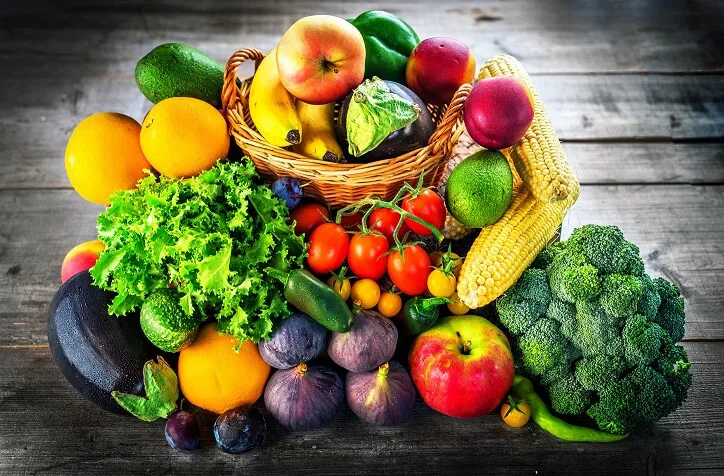
Vegetables are an essential component of a healthy diet, offering a wide range of vitamins, minerals, and antioxidants that support overall health. Packed with fiber, water, and phytonutrients, vegetables promote digestive health, hydration, and disease prevention. Here's why vegetables should be a regular part of your diet and how to incorporate them into your meals for maximum health benefits.
Nutritional Benefits of Vegetables
Vegetables are a powerhouse of essential nutrients that contribute to various aspects of health. Here are some of the key benefits:
Rich in Vitamins and Minerals: Vegetables are an excellent source of vitamins like vitamin A, vitamin C, vitamin K, and folate, as well as minerals like potassium, magnesium, and iron, which support immune function, vision, bone health, and overall health.
Vitamins and Minerals→Support Immune Function→Promote Overall HealthHigh in Fiber: The fiber in vegetables supports digestive health, promotes satiety, and helps to lower cholesterol levels.
Fiber→Supports Digestive Health→Promotes Satiety→Lowers CholesterolAntioxidant Properties: Vegetables are rich in antioxidants like carotenoids, flavonoids, and vitamin C, which help to reduce oxidative stress and inflammation.
Antioxidants→Reduce Oxidative Stress→Lower InflammationSupports Hydration: Many vegetables have a high water content, which helps to keep you hydrated and supports overall health.
Popular Types of Vegetables and Their Benefits
Leafy Greens
Rich in Vitamins and Minerals: Leafy greens like spinach, kale, and collard greens are high in vitamins A, C, K, and folate, as well as minerals like iron, calcium, and magnesium.
Supports Heart Health: The nitrates in leafy greens help to improve blood vessel function and reduce the risk of heart disease.
Cruciferous Vegetables
Rich in Antioxidants: Cruciferous vegetables like broccoli, cauliflower, and Brussels sprouts are high in antioxidants like sulforaphane and indole-3-carbinol, which support detoxification and reduce inflammation.
Supports Cancer Prevention: The glucosinolates in cruciferous vegetables help to support cancer prevention and reduce the risk of certain types of cancer.
Root Vegetables
Rich in Fiber: Root vegetables like carrots, beets, and sweet potatoes are high in fiber, which supports digestive health and promotes satiety.
Supports Blood Sugar Control: The fiber and antioxidants in root vegetables help to stabilize blood sugar levels and reduce the risk of type 2 diabetes.
Nightshade Vegetables
Rich in Lycopene: Nightshade vegetables like tomatoes, eggplants, and peppers are high in lycopene, an antioxidant that supports heart health and reduces inflammation.
Supports Skin Health: The antioxidants in nightshade vegetables help to protect the skin from UV damage and promote skin health.
Allium Vegetables
Rich in Allicin: Allium vegetables like onions, garlic, and leeks are high in allicin, a compound that supports heart health and reduces inflammation.
Supports Immune Function: The antioxidants and sulfur compounds in allium vegetables help to support immune function and reduce the risk of infection.
How to Incorporate Vegetables into Your Diet
Breakfast
Vegetable Omelette: Cook a vegetable omelette with your favorite vegetables, eggs, and a sprinkle of cheese for a nutritious and satisfying breakfast.
Smoothie Bowl: Blend frozen vegetables, fruits, and a splash of milk, then top with granola, nuts, and seeds for a refreshing and nutrient-packed breakfast.
Lunch
Vegetable Salad: Create a vegetable salad with mixed greens, cherry tomatoes, cucumbers, bell peppers, and a light vinaigrette for a refreshing and nutrient-packed lunch.
Vegetable Wrap: Fill a whole wheat wrap with your favorite vegetables, hummus, and a sprinkle of feta cheese for a balanced and satisfying lunch.
Dinner
Grilled Vegetables: Grill vegetables like zucchini, bell peppers, and eggplants and serve them as a side dish or topping for grilled proteins.
Vegetable Stir-Fry: Stir-fry vegetables like broccoli, carrots, and snap peas with a sauce made from soy sauce, garlic, and ginger for a flavorful and nutritious dinner.
Snacks
Vegetable Sticks: Enjoy vegetable sticks like carrots, cucumbers, and bell peppers with hummus or guacamole for a nutritious and satisfying snack.
Roasted Vegetables: Roast vegetables like Brussels sprouts, sweet potatoes, and beets, and season them with herbs, spices, and a drizzle of olive oil for a delicious and healthy treat.
Tips for Maximizing Health Benefits
Choose a Variety of Colors: Opt for a variety of colorful vegetables to benefit from their unique nutritional profiles.
Choose Fresh or Frozen: Opt for fresh or frozen vegetables instead of canned or processed vegetables, which may contain added sodium or preservatives.
Portion Control: While vegetables are nutritious, they are also calorie-dense. Stick to a handful (about 1 cup) per serving to avoid overeating.
© Bring The Shreds
4. Dairy Products


Dairy products are a staple in many diets, offering a rich source of essential nutrients that support overall health and well-being. From calcium and protein to vitamins and minerals, dairy products provide a wide range of health benefits. Here's why dairy products should be a regular part of your diet and how to incorporate them into your meals for maximum health benefits.
Nutritional Benefits of Dairy Products
Dairy products are packed with essential nutrients that contribute to various aspects of health. Here are some of the key benefits:
Rich in Calcium: Dairy products are an excellent source of calcium, which is essential for bone health, muscle function, and nerve transmission.
Calcium→Supports Bone Health→Promotes Muscle Function→Supports Nerve TransmissionHigh in Protein: Dairy products are a good source of high-quality protein, which supports muscle growth, repair, and overall health.
Protein→Supports Muscle Growth→Promotes Repair→Supports Overall HealthRich in Vitamins and Minerals: Dairy products are a good source of vitamins like vitamin D, vitamin B12, and riboflavin, as well as minerals like phosphorus and potassium, which support bone health, energy metabolism, and overall health.
Vitamins and Minerals→Support Bone Health→Promote Energy Metabolism→Support Overall HealthSupports Digestive Health: The probiotics in some dairy products like yogurt and kefir promote a healthy gut microbiome and support digestive health.
Probiotics→Promote Healthy Gut Microbiome→Support Digestive Health
Popular Types of Dairy Products and Their Benefits
Milk
Rich in Calcium and Vitamin D: Milk is fortified with vitamin D, which helps the body absorb calcium and supports bone health.
Supports Hydration: Milk is a good source of water and electrolytes, which help to keep you hydrated and support overall health.
Yogurt
Rich in Probiotics: Yogurt is a good source of probiotics, which support digestive health and promote a healthy gut microbiome.
Supports Immune Function: The probiotics and nutrients in yogurt help to support immune function and reduce the risk of infection.
Cheese
Rich in Calcium and Protein: Cheese is a good source of calcium and protein, which support bone health, muscle growth, and overall health.
Supports Heart Health: The conjugated linoleic acid (CLA) in cheese helps to improve blood vessel function and reduce the risk of heart disease.
Butter
Rich in Vitamins: Butter is a good source of vitamins like vitamin A, vitamin E, and vitamin K2, which support vision, skin health, and bone health.
Supports Brain Health: The butyrate in butter helps to improve brain function and reduce the risk of neurodegenerative diseases.
Cream
Rich in Healthy Fats: Cream is a good source of healthy fats, which support brain health, hormone production, and overall health.
Supports Satiety: The fats and proteins in cream help to promote satiety and support weight management.
How to Incorporate Dairy Products into Your Diet
Breakfast
Yogurt Parfait: Layer yogurt, granola, and fresh fruit in a glass for a nutritious and satisfying breakfast.
Cheese Omelette: Cook an omelette with your favorite cheese, eggs, and vegetables for a protein-packed breakfast.
Lunch
Cheese Sandwich: Make a sandwich with whole-grain bread, your favorite cheese, and a spread of hummus or avocado for a balanced and satisfying lunch.
Yogurt Salad: Toss mixed greens with yogurt, nuts, seeds, and a drizzle of honey for a refreshing and nutrient-packed lunch.
Dinner
Mac and Cheese: Cook whole wheat pasta with a creamy cheese sauce and your favorite vegetables for a comforting and nutritious dinner.
Grilled Cheese: Make a grilled cheese sandwich with whole-grain bread, your favorite cheese, and a spread of avocado or hummus for a satisfying dinner.
Snacks
Cheese and Crackers: Enjoy cheese and crackers with a side of fruit or nuts for a nutritious and satisfying snack.
Yogurt Smoothie: Blend yogurt, fruit, and a touch of honey for a refreshing and energizing snack.
Tips for Maximizing Health Benefits
Choose Low-Fat or Non-Fat Options: Opt for low-fat or non-fat dairy products to reduce your intake of saturated fat and calories.
Choose Fortified Products: Opt for dairy products that are fortified with vitamin D to maximize calcium absorption and support bone health.
Portion Control: While dairy products are nutritious, they are also calorie-dense. Stick to a handful (about 1 cup) per serving to avoid overeating.
© dietdoctor
5. Legumes


Legumes are an exceptional source of plant-based protein, fiber, and a wide array of essential nutrients. These versatile and affordable foods have been a staple in diets around the world for centuries. Here's why legumes should be a regular part of your diet and how to incorporate them into your meals for maximum health benefits.
Nutritional Benefits of Legumes
Legumes are packed with essential nutrients that contribute to various aspects of health. Here are some of the key benefits:
Rich in Protein: Legumes are an excellent source of plant-based protein, which supports muscle growth, repair, and overall health.
Protein→Supports Muscle Growth→Promotes Repair→Supports Overall HealthHigh in Fiber: The fiber in legumes supports digestive health, promotes satiety, and helps to lower cholesterol levels.
Fiber→Supports Digestive Health→Promotes Satiety→Lowers CholesterolRich in Vitamins and Minerals: Legumes are a good source of vitamins like folate and B vitamins, as well as minerals like iron, magnesium, and potassium, which support energy metabolism, blood health, and overall health.
Vitamins and Minerals→Support Energy Metabolism→Promote Blood Health→Support Overall HealthSupports Blood Sugar Control: The fiber and low glycemic index of legumes help to stabilize blood sugar levels and reduce the risk of type 2 diabetes.
Fiber and Low Glycemic Index→Stabilize Blood Sugar Levels→Reduce Risk of Type 2 Diabetes
Popular Types of Legumes and Their Benefits
Lentils
Rich in Iron: Lentils are a good source of iron, which is essential for oxygen transport in the body.
Supports Heart Health: The fiber and potassium in lentils help to lower cholesterol levels and reduce the risk of heart disease.
Chickpeas
Rich in Folate: Chickpeas are a good source of folate, which is essential for DNA synthesis and cell division.
Supports Digestive Health: The fiber in chickpeas promotes regularity and supports a healthy gut microbiome.
Black Beans
Rich in Antioxidants: Black beans are high in antioxidants like anthocyanins, which support heart health and reduce inflammation.
Supports Weight Management: The fiber and protein in black beans promote satiety and support weight management.
Kidney Beans
Rich in Protein: Kidney beans are a good source of plant-based protein, which supports muscle growth and repair.
Supports Blood Sugar Control: The fiber and low glycemic index of kidney beans help to stabilize blood sugar levels.
Peas
Rich in Vitamin C: Peas are a good source of vitamin C, which supports immune function and skin health.
Supports Bone Health: The vitamin K and calcium in peas help to support bone health and reduce the risk of osteoporosis.
How to Incorporate Legumes into Your Diet
Breakfast
Lentil Soup: Cook a hearty lentil soup with vegetables, spices, and a squeeze of lemon for a nutritious and satisfying breakfast.
Chickpea Scramble: Cook a chickpea scramble with turmeric, garlic, and vegetables for a protein-packed breakfast.
Lunch
Lentil Salad: Create a lentil salad with mixed greens, cherry tomatoes, cucumbers, and a light vinaigrette for a refreshing and nutrient-packed lunch.
Chickpea Wrap: Fill a whole wheat wrap with mashed chickpeas, hummus, and your favorite vegetables for a balanced and satisfying lunch.
Dinner
Lentil Curry: Cook a lentil curry with coconut milk, vegetables, and spices for a flavorful and nutritious dinner.
Black Bean Tacos: Fill taco shells with black beans, avocado, salsa, and a sprinkle of cheese for a satisfying dinner.
Snacks
Roasted Chickpeas: Roast chickpeas with olive oil, salt, and your favorite spices for a crunchy and satisfying snack.
Hummus: Blend chickpeas, tahini, garlic, and lemon juice for a creamy and delicious dip or spread.
Tips for Maximizing Health Benefits
Choose Dried or Canned: Opt for dried or canned legumes instead of fresh legumes, which may be more expensive and less convenient.
Rinse Canned Legumes: Rinse canned legumes to reduce your intake of sodium and preservatives.
Portion Control: While legumes are nutritious, they are also calorie-dense. Stick to a handful (about 1 cup) per serving to avoid overeating.
Legumes are a versatile and delicious addition to a healthy diet. By incorporating legumes into your meals and snacks, you can enjoy a nutritious and satisfying way to support overall health and well-being. Happy eating!
© Lukas Gojda/Adobe Stock
The main takeaway here is not to fear carbohydrates, but to choose them wisely. When carbs are wrapped in fiber, vitamins, and minerals—as they are in these five categories—they provide the necessary fuel for your brain and muscles without the dramatic crash. They are the energy foundation of a balanced diet.
So, ditch the carb-phobia! Embrace the healthy, complex, and delicious sources of energy that keep you full, focused, and performing at your best.

Incorporating a variety of nutrient-dense foods into your diet is key to supporting overall health and well-being. From whole grains and fruits to vegetables, dairy products, and legumes, each food group offers a unique profile of essential nutrients that contribute to various aspects of health.
Whole grains provide a rich source of fiber, vitamins, and minerals that support digestive health, heart health, and overall well-being. Fruits offer a delightful and nutritious way to boost your intake of vitamins, minerals, and antioxidants, promoting immune function, hydration, and disease prevention. Vegetables are packed with essential nutrients that support bone health, energy metabolism, and overall health. Dairy products provide a wealth of calcium, protein, and vitamins that support bone health, muscle growth, and immune function. Legumes are a versatile and affordable source of plant-based protein, fiber, and essential nutrients that support digestive health, blood sugar control, and overall health.
By incorporating a variety of these nutrient-dense foods into your meals and snacks, you can enjoy a balanced and satisfying way to support overall health and well-being. Remember to choose a variety of colors and types of foods to maximize their unique nutritional benefits. Additionally, opt for fresh or minimally processed foods to reduce your intake of added sugars, sodium, and preservatives.
Portion control is also important, as even nutritious foods can be calorie-dense. Stick to a handful (about 1 cup) per serving to avoid overeating and support weight management.
In conclusion, embracing a balanced and nutritious diet is key to supporting overall health and well-being. By incorporating a variety of nutrient-dense foods into your meals and snacks, you can enjoy a delicious and satisfying way to nourish your body and mind.