
Interesting facts about coin collecting
COLLECTIONFACTS
5 interesting facts about coin collecting
Coin collecting is one of the oldest hobbies in the world
Coin collecting, or numismatics as it's often called, truly is one of the oldest hobbies in the world, and that's a fascinating fact in itself.
Think about it: As soon as people started using coins as a form of currency, they likely started appreciating them for more than just their monetary value. The designs, the metal, the history they represented - these would have all been compelling reasons to keep a few choice examples aside.
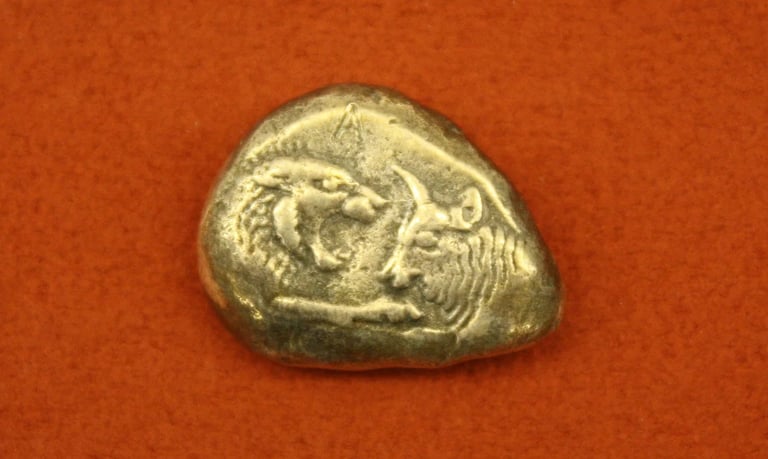
Even in ancient times, there's evidence of people collecting coins, often the beautiful and artistic coins of the Greek and Roman empires. Kings and emperors collected them, nobles collected them, and even ordinary people sometimes squirrelled away interesting examples. These collections weren't always just for pleasure; they could also be a way to display wealth, power, or cultural refinement.
Over the centuries, coin collecting has ebbed and flowed in popularity, but it's never really gone away. During the Renaissance, there was a renewed interest in classical antiquity, and coin collecting experienced a major revival. Royalty and wealthy patrons amassed impressive collections, often using them as status symbols and sources of artistic inspiration.
The rise of modern coin collecting societies and publications in the 19th and 20th centuries helped to formalize the hobby and make it more accessible to a wider audience. Today, coin collecting is enjoyed by people of all ages and backgrounds, all around the world.
So, it's not just a hobby; it's a tradition that stretches back thousands of years. When you collect coins, you're joining a long line of enthusiasts who have been fascinated by these small, metal objects and the stories they tell. It's a hobby with deep roots and an enduring appeal, and it's easy to see why it continues to thrive today.
There are many different types of coins to collect
One of the things that makes coin collecting such an appealing and enduring hobby is the sheer variety of options available. There really is something for everyone, no matter your budget, interests, or collecting goals.
Let's break down just a few of the different ways you can approach coin collecting:
By Country or Region: This is a classic approach. You might focus on coins from your own country, or coins from a region you're particularly interested in, like ancient Rome, Victorian England, or the Wild West of the United States.
By Denomination: Some collectors specialize in specific denominations, like silver dollars, half dollars, or even smaller coins like pennies or nickels.
By Date: Building a "date set" of a particular coin series, trying to collect one example of each year the coin was minted, is a popular challenge. Think collecting one of every year of the Lincoln Cent.
By Mint Mark: Coins are often struck at different mints, and these mints are indicated by small letters called "mint marks." Collecting all the mint marks for a particular coin series can be a fascinating pursuit.
By Type: You might focus on collecting different types of coins, for example, large cents, two-cent pieces, or silver certificates.
Error Coins: Some collectors specialize in coins that have minting errors, like double strikes, off-center strikes, or planchet defects. These can be highly sought after.
Graded Coins: Many collectors focus on purchasing coins that have been professionally graded by reputable grading services, as the grade has a huge impact on value.
Topical Collections: You could collect coins that feature a particular theme, like animals, ships, historical figures, or events.
Bullion Coins: Some collectors primarily invest in gold and silver bullion coins for their precious metal content.
And that's just scratching the surface! The possibilities are truly endless, and many collectors combine several different approaches. The key is to find what interests you most and to tailor your collecting to your own personal tastes and goals. That’s part of the fun: Defining your collection.
Coin collecting can be a great way to learn about history
It's absolutely true! Coin collecting is a fantastic portal to learning about history, and often in a way that's much more engaging and memorable than reading a textbook.
Think about it: Coins aren't just pieces of metal; they're tangible artifacts that have circulated through history. They were held by people from all walks of life, used in everyday transactions, and witnessed major historical events. Each coin is a little window into a specific time and place.
Here's how coin collecting can deepen your understanding of history:
Portraits and Rulers: Coins often feature portraits of kings, queens, emperors, and other important historical figures. By studying these portraits, you can learn about their lives, their reigns, and their impact on history.
Symbols and Allegories: Coins are often adorned with symbols, allegorical figures, and inscriptions that reflect the values, beliefs, and aspirations of the societies that produced them. These symbols can provide insights into the political, religious, and cultural landscape of a particular era.
Historical Events: Some coins commemorate specific historical events, such as battles, coronations, or anniversaries. These coins can serve as a reminder of important moments in history and spark your curiosity to learn more about them.
Economic Conditions: The size, composition, and design of coins can reflect the economic conditions of the time. For example, during periods of economic hardship, governments might debase their coinage by reducing the amount of precious metal used or by issuing coins with simpler designs.
Geographical Knowledge: Coins can help you learn about the geography of the world. By collecting coins from different countries and regions, you can gain a better understanding of their locations, their cultures, and their histories.
Social History: Coins are objects that were used by everyday people. Studying coins can give you a sense of how ordinary people lived, what they bought and sold, and how they interacted with the world around them.
Coin collecting allows you to hold a piece of history in your hand and to connect with the past in a tangible way. It encourages you to ask questions, to research, and to learn. It's a hobby that can be both intellectually stimulating and deeply rewarding, and it's a fantastic way to bring history to life.
Coin collecting can be a fun and rewarding hobby
Beyond the historical and educational aspects, coin collecting is just plain fun. It's a hobby that can bring a lot of personal satisfaction, and here's why:
The Thrill of the Hunt: There's a real excitement that comes from searching for that elusive coin to complete your set, whether you're sifting through pocket change, visiting coin shops, or bidding online. The anticipation and the ultimate discovery are incredibly rewarding.
A Sense of Accomplishment: Building a collection, whether it's a complete set of Lincoln cents or a curated selection of ancient Roman coins, provides a real sense of accomplishment. It's something you can be proud of and that you can show off to others.
Creativity and Personalization: There's no right or wrong way to collect coins. You can tailor your collection to your own personal tastes and interests, making it a unique expression of who you are.
Relaxation and Mindfulness: For many people, coin collecting is a way to relax and unwind. Sorting through coins, examining their details, and organizing your collection can be a meditative and calming experience.
Social Connections: Coin collecting can also be a social hobby. You can join coin clubs, attend coin shows, and connect with other collectors online. Sharing your passion with others can be a lot of fun.
Potential Investment: While not the primary goal for most collectors, coins can also be a good investment. Rare or well-preserved coins can appreciate in value over time.
A Connection to the Past: As we've discussed, coin collecting provides a tangible connection to the past. Holding a coin that was minted centuries ago can be a powerful and moving experience.
Coin collecting offers something for everyone, whether you're interested in history, art, economics, or simply the thrill of the hunt. It's a hobby that can be enjoyed at any age and on any budget. It's a journey of discovery, a source of personal satisfaction, and a way to connect with the world around you. It's a hobby that is not just fun, but also personally rewarding.
Coin collecting can also be a profitable hobby
While many coin collectors are primarily driven by their passion for history and the beauty of coins, it's definitely true that coin collecting can be a profitable hobby. However, it's important to approach it with realistic expectations and a solid understanding of the market.
Here's a balanced look at the potential for profitability in coin collecting:
Potential Upsides:
Appreciation in Value: Rare, well-preserved, and historically significant coins can appreciate in value over time. Factors that influence value include rarity, condition, demand, and historical importance.
Discovering Undervalued Coins: With knowledge and research, you might be able to identify coins that are currently undervalued in the market but have the potential to increase in value.
Buying Low, Selling High: Like any market, the coin market fluctuates. Skilled collectors can take advantage of these fluctuations by buying coins when prices are low and selling them when prices are high.
Professional Grading: Having your coins professionally graded by reputable grading services can significantly increase their value, especially if they receive high grades.
Selling Strategies: There are various avenues for selling coins, including online auctions, coin shows, coin shops, and private sales. Choosing the right selling strategy can maximize your profits.
Important Considerations:
Knowledge is Key: Profitable coin collecting requires a significant investment of time and effort in learning about coins, grading, market trends, and numismatic history.
Grading is Subjective: While professional grading provides a standardized assessment of a coin's condition, grading can still be subjective, and opinions can vary.
Market Fluctuations: The coin market is subject to fluctuations, and prices can go down as well as up. It's important to be aware of market trends and to be prepared for potential losses.
Long-Term Investment: Coin collecting is generally considered a long-term investment. It can take years, or even decades, for coins to appreciate significantly in value.
Costs Involved: There are costs associated with coin collecting, including the purchase price of coins, grading fees, storage costs, and insurance.
Dealer Markups: Coin dealers need to make a profit, so you'll generally pay a premium when buying coins from a dealer.
Bottom Line:
Coin collecting can be profitable, but it's not a get-rich-quick scheme. It requires knowledge, research, patience, and a realistic understanding of the market. If you're primarily motivated by profit, it's important to approach coin collecting as an investment and to do your homework before making any purchases. However, for many collectors, the potential for profit is just a bonus on top of the enjoyment and satisfaction that they get from the hobby. It is important to collect what you like, that way if it is not profitable, you still enjoy your collection.

In conclusion, coin collecting presents itself as a hobby with remarkable depth and versatility. It's far more than just accumulating bits of metal; it's a journey through history, a canvas for artistic appreciation, and a playground for intellectual curiosity.
Whether you're drawn to the thrill of the hunt for rare finds, the satisfaction of completing a meticulously curated set, the relaxation of sorting and organizing your collection, or the intellectual stimulation of researching the historical context of each coin, there's a niche for everyone in the world of numismatics.
And, yes, while it's important to approach it with a measured perspective, the potential for profitability adds another layer of interest to the hobby. The possibility of discovering undervalued gems or seeing your collection appreciate over time can certainly enhance the experience, though it should rarely be the sole motivation.
Ultimately, the true reward of coin collecting lies in the personal enrichment it provides. It's a chance to connect with the past in a tangible way, to expand your knowledge, to exercise your creativity, and to share your passion with others. It's a hobby that can be enjoyed for a lifetime, offering endless opportunities for learning, growth, and personal fulfillment. So, whether you're a seasoned numismatist or just starting out, embrace the journey, explore the endless possibilities, and discover the joy of coin collecting.