
What is a Woman?
RELATIONSHIP
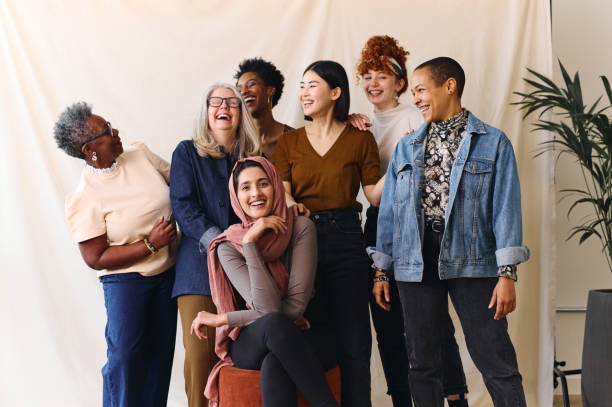
The question of 'what a woman is' is a complex one, and there is no single answer that will satisfy everyone. However, here are five of the most common answers to this question.
5 of the most common answers to this question: WHAT IS A WOMAN?
1. A woman is someone who identifies as a woman
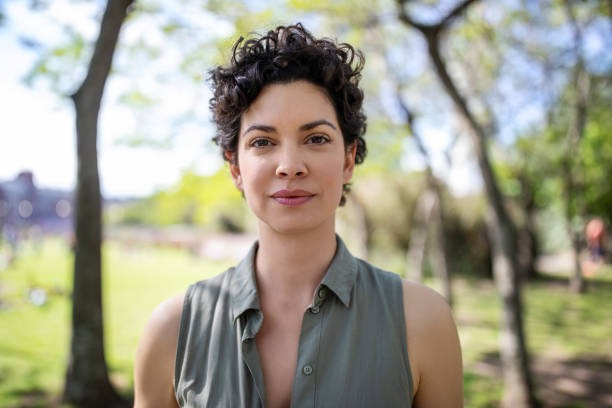
A woman is someone who identifies as a woman. This answer is all about personal identity and self-recognition, which are at the heart of how we understand gender today. It goes beyond just biology or physical traits and embraces the idea that how a person sees themselves matters most. The importance of identity isn’t just about fitting into a box or meeting societal expectations; it’s about how an individual defines themselves in their own unique way.
In a time when gender is becoming more fluid and individualized, this definition reflects a growing recognition that gender isn’t something set in stone. It's not just about what others say or expect, but about how a woman feels, thinks, and understands her own experience. This shift invites us to look beyond traditional categories and acknowledge the complexity of gender.
For many, this answer resonates because it highlights the empowerment that comes with self-definition. It challenges us to respect and validate people’s own identities, recognizing that gender can be a personal, evolving journey. By embracing this perspective, we create a more inclusive and compassionate world where everyone has the freedom to express who they truly are.
2. A woman is someone who has a female reproductive system


This answer is rooted in biology, focusing on physical characteristics traditionally associated with women. It points to the female reproductive system, which includes organs like the ovaries, the uterus, and the vagina, as a defining feature. For some, this view aligns with historical or scientific understandings of sex, where gender was often viewed through a strictly biological lens. It’s a clear, objective way to define a woman, based on anatomy and reproduction.
However, it’s important to note that this definition doesn’t take into account the experiences of many women who may not have a typical female reproductive system, whether due to medical conditions, surgeries, or other factors. It also doesn’t consider people who identify as women but might not meet these biological criteria. While the biological perspective has its place in certain contexts, it can be limiting when it comes to the diverse and complex realities of gender.
Ultimately, this definition can spark a broader conversation about the difference between sex (biological attributes) and gender (identity and lived experience). In today’s world, there’s growing recognition that gender is much more nuanced than just anatomy, and being a woman isn’t simply about one’s reproductive organs. It’s about identity, lived experience, and how we connect with one another as individuals.
3. A woman is someone who was assigned female at birth


This definition ties the concept of being a woman to the gender assigned at birth, typically based on physical characteristics like genitalia. For many, it reflects a more traditional understanding of gender, where the designation of “female” at birth was assumed to define one’s gender identity for life. It aligns with the idea that gender is a fixed attribute, determined by biology and external observation rather than personal experience or self-identification.
However, the idea of being "assigned female at birth" has become a point of contention and conversation in recent years, particularly with the rise of transgender visibility and awareness. While this definition might apply to some women, it doesn't account for the experiences of transgender women or non-binary people, who may have been assigned female at birth but do not identify as women. This highlights the growing understanding that gender is a complex and evolving concept that goes beyond simple birth assignments.
For many, this definition can feel outdated or exclusionary. It suggests that gender is predetermined by biological factors, ignoring the social, emotional, and psychological dimensions of gender identity. As our understanding of gender continues to expand, it's becoming clearer that being a woman is not simply about what someone was assigned at birth, but about how they experience and express their gender throughout their life. It’s a shift toward more inclusivity and respect for diverse identities.
4. A woman is someone who is perceived as female by others


This definition places a lot of emphasis on external perception, suggesting that being a woman is tied to how others view and interpret you. It highlights the social aspect of gender, how society categorizes people based on their appearance, behavior, and other outward traits. When someone is perceived as female by others, whether through clothing, mannerisms, or other markers, they’re often treated as a woman, regardless of how they personally identify or their biological characteristics. This view reflects the influence of societal norms and expectations on how we understand gender.
However, this definition can be problematic because it relies heavily on assumptions and stereotypes. It doesn't account for the fact that people's gender identities may not always align with how they are perceived by others. Transgender women, for example, may face misgendering or discrimination because they don't conform to traditional expectations of what a woman “should” look like. The same goes for women who don’t fit stereotypical or traditional feminine ideals, yet still identify as women. This definition doesn’t fully embrace the complexity of gender, reducing it to an external judgment rather than a deeply personal and internal experience.
In today’s world, this understanding is being challenged more than ever. People are increasingly recognizing that gender isn’t about how others see you, but how you see yourself. The idea that being a woman is about internal self-perception, rather than external validation, is gaining more traction. It’s about authenticity and being true to oneself, regardless of how society might perceive you. As we move forward, there’s a growing acknowledgment that gender should be about personal experience, not just how others label you based on your appearance or behavior.
5. A woman is someone who experiences the world as a woman
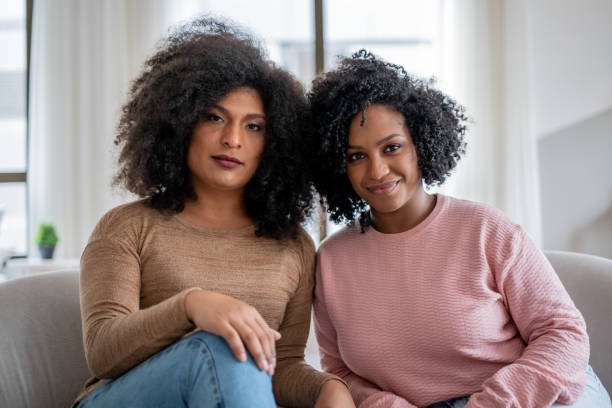
This answer takes a more experiential approach to defining what it means to be a woman. It shifts the focus from external labels, biological characteristics, or assigned gender roles, and instead centers on how a person experiences the world around them. For many, being a woman is tied to how they navigate daily life, the challenges they face, and the way society treats them based on their gender. It encompasses everything from the expectations placed on women to the unique perspectives and emotions that shape their lives. This answer is deeply rooted in lived experience and reflects the complexities of being a woman in a world that often views gender through a narrow lens.
What makes this definition powerful is that it allows for a broader, more inclusive understanding of womanhood. It acknowledges that being a woman isn’t just about how others perceive you or the body you inhabit, but about how you engage with the world. This could mean the way a woman experiences gendered expectations, how she relates to other women, or even how she has to navigate societal systems that are often biased against her. It reflects the emotional, social, and psychological dimensions of being a woman, which vary widely across different cultures and personal histories.
In essence, this definition validates the idea that each woman’s journey is unique and individual. It gives room for the diverse experiences of women, including those who might not fit traditional roles. It acknowledges that womanhood is not one-size-fits-all, but rather a deeply personal experience that can look different for everyone. By focusing on lived experiences, this definition encourages empathy and understanding, promoting a more nuanced conversation about what it truly means to be a woman in today’s world.
In conclusion, the question "What is a woman?" invites a range of perspectives that reflect the complexity and diversity of gender identity. From a biological standpoint, a woman may be defined by her reproductive system or the gender assigned to her at birth. However, these traditional views are being challenged as society becomes more aware of the fluidity of gender. Identity is no longer solely tied to biology, as more people embrace the idea that a woman is someone who identifies as a woman, regardless of external factors.

The way society perceives a woman can also influence how she is understood, but this definition, too, can be limiting. It overlooks the experiences of those who don’t conform to traditional expectations of femininity or those who may face misgendering based on external appearance. At the heart of the conversation is the recognition that being a woman is as much about personal experience as it is about how one is seen by others. The experience of living as a woman, navigating societal expectations, facing challenges, and expressing identity, is a critical part of what it means to be a woman in today’s world.
Ultimately, the concept of womanhood is not fixed. It is an evolving and deeply personal experience that goes beyond rigid definitions. The diverse answers to this question, whether they emphasize biology, identity, perception, or experience, remind us that being a woman is not one-dimensional. It is shaped by how individuals see themselves, how they are seen by others, and how they interact with the world around them. The conversation around what defines a woman continues to evolve, and with it, a more inclusive and empathetic understanding of womanhood grows.