
Explore the Beautiful Philippines: A Tropical Paradise
FEATUREDTOURISM
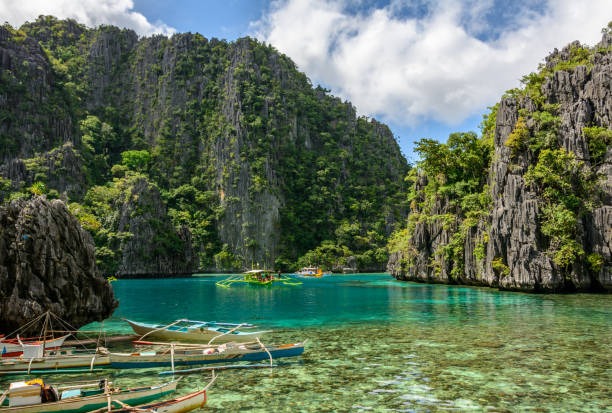
The Philippines is a beautiful and diverse country with something to offer everyone. If you are looking for a tropical paradise with stunning scenery, delicious food, and rich culture, then the Philippines is the perfect place for you.
5 Places In The Philippines You Should Visit As A Tourist
1. Boracay
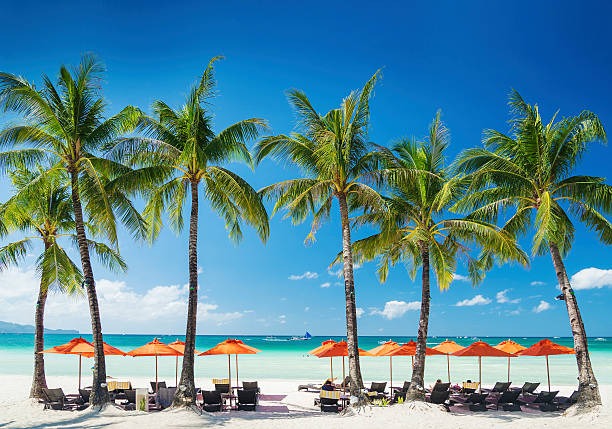
Boracay is undoubtedly one of the most famous islands in the Philippines, and for good reason. Its powdery white sand and crystal-clear waters make it a tropical paradise. The iconic White Beach is the heart of Boracay, where you can spend your days lounging under the sun or taking part in water activities like snorkeling, paddleboarding, and kite surfing. If you’re looking for a more serene experience, head over to Puka Shell Beach—a quieter alternative with equally beautiful views, perfect for a peaceful escape. Mount Luho, the highest point on the island, offers panoramic views of the entire island, making it a great spot for some stunning photos. For those who enjoy adventure, consider going on a boat tour to explore nearby islands or try parasailing for a thrilling experience.
Food and Community
Boracay isn’t just known for its beaches—its food scene is also something you’ll want to explore. With an abundance of fresh seafood, you can enjoy dishes like grilled fish, sinigang na baboy, and of course, kinilaw, a Filipino version of ceviche made with fresh fish marinated in vinegar, citrus, and spices. There are also plenty of international food options, from Italian pizza and pasta to Thai and Indian cuisine. For something truly unique, check out the D’Mall, an open-air shopping area near White Beach, where you can sample local treats like halo-halo (a refreshing shaved ice dessert) and bibingka (a type of rice cake). The community in Boracay is a mix of locals and international travelers, all enjoying the laid-back, beachy vibe of the island. Locals are friendly and always ready to offer helpful tips about the best spots for sunset views or the freshest seafood.
Things to Be Careful About
While Boracay is a dream destination, there are a few things you should be cautious about to ensure a safe and enjoyable trip. The island can get quite crowded, especially during peak tourist season (December to May), so if you’re looking for a more peaceful experience, it’s best to visit during the off-peak months. As with any popular tourist destination, be mindful of overpriced tours or activities. It’s always a good idea to check prices and reviews before booking anything. The beach, though beautiful, can also have strong currents, especially on the west side during certain times of the year, so always pay attention to local warnings about swimming conditions. Also, while Boracay has made strides in terms of environmental conservation (following its closure for rehabilitation in 2018), it’s still important to respect the island’s natural beauty—avoid leaving trash on the beach, and be mindful of the delicate ecosystem. Lastly, while Boracay is generally safe, always take care of your personal belongings, especially on crowded beaches or while out at night.
In summary, Boracay is an island that delivers the perfect combination of beauty, adventure, and relaxation. From its world-renowned White Beach to the vibrant food scene and welcoming locals, it’s a destination that should be on every traveler’s bucket list. Just be sure to plan accordingly to avoid the crowds, and take care to preserve the environment that makes this island so special. Whether you’re looking to unwind or get your adrenaline pumping, Boracay offers an unforgettable experience that will leave you craving more.
2. Palawan
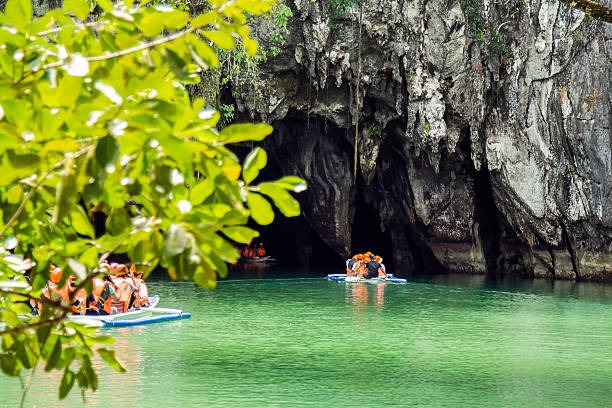
Palawan is often described as the last frontier of the Philippines, and it’s easy to see why. Its pristine beaches, crystal-clear waters, and dramatic limestone cliffs make it a true tropical paradise. The Puerto Princesa Underground River, a UNESCO World Heritage Site, is one of the most unique natural wonders in the world, offering visitors the chance to explore an underground river system that winds its way through a massive cave. El Nido is another must-see destination in Palawan, known for its stunning lagoons and towering limestone formations. Big Lagoon and Small Lagoon are perfect for kayaking and swimming, and the hidden beaches within Secret Lagoon are only accessible by boat or a short swim, making them feel like little pockets of paradise. Coron is also a top spot, famous for its crystal-clear lakes like Kayangan Lake and Twin Lagoons, as well as some of the best wreck diving sites in the world, where you can explore sunken Japanese warships from World War II.
Food and Community
The food scene in Palawan is deeply rooted in the island’s coastal lifestyle, with an abundance of fresh seafood. You can enjoy dishes like grilled fish, kinilaw, and sinigang na hipon (shrimp in sour tamarind broth), all made with ingredients that come straight from the surrounding waters. Coconut is another staple in Palawan’s cuisine, and you’ll find it featured in a variety of dishes, from savory curries to refreshing coconut drinks. Local markets in places like Puerto Princesa or El Nido offer an authentic taste of the island, with fresh fruits, vegetables, and local snacks like lumpia (spring rolls) and puto (rice cakes). The community in Palawan is warm and welcoming, with a mix of indigenous groups, residents, and a steady stream of tourists. The people here are proud of their island's natural beauty and are often eager to share their knowledge of Palawan’s rich cultural heritage. In places like Port Barton or San Vicente, you’ll find a slower, more traditional way of life, while El Nido and Coron offer a slightly more developed tourist infrastructure but still maintain that laid-back island charm.
Things to Be Careful About
While Palawan is undoubtedly one of the most beautiful places on Earth, it’s important to be mindful of the challenges that come with visiting remote areas. Transportation can sometimes be tricky, as travel times between islands can be long, and not all boats or ferries run on a set schedule, especially during the rainy season. Make sure to plan your trips ahead of time and allow for extra travel time. The weather in Palawan can also be unpredictable, particularly during the monsoon season (June to September), when heavy rains and typhoons can disrupt travel plans. The ocean currents around some of the islands can be strong, so always follow safety instructions from guides or local authorities, particularly when swimming, kayaking, or snorkeling. While the majority of the island is safe for tourists, some remote areas require extra caution—be aware of your surroundings, especially when traveling to less populated places. Finally, while the natural beauty of Palawan is its main attraction, it’s also fragile, so be sure to respect local environmental practices—dispose of waste properly and avoid damaging coral reefs or wildlife habitats.
In summary, Palawan is a must-visit destination for anyone looking to experience the natural wonders of the Philippines. Whether you're exploring the Underground River, lounging on the stunning beaches of El Nido, or diving into the crystal-clear waters of Coron, Palawan’s landscapes and marine life will take your breath away. The island’s vibrant food scene, coupled with the welcoming community, adds a rich cultural layer to your visit. Just be prepared for some logistical challenges, such as long travel times and unpredictable weather, and always do your part to protect the environment. If you’re seeking a tropical escape that combines natural beauty, adventure, and culture, Palawan should definitely be at the top of your list.
3. Bohol
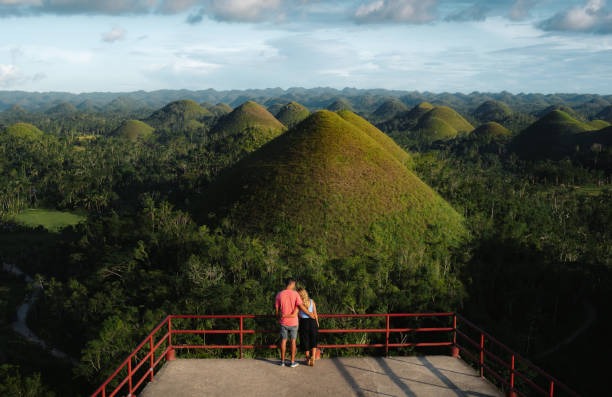
Bohol is one of the most picturesque islands in the Philippines, offering a rich mix of natural beauty, historical landmarks, and vibrant culture. The Chocolate Hills are perhaps the most iconic sight in Bohol—over 1,200 perfectly cone-shaped mounds that turn brown during the dry season, resembling giant chocolate drops. For wildlife lovers, a visit to the Tarsier Sanctuary is a must. The tarsiers, some of the smallest primates in the world, are adorable and endangered, and the sanctuary is dedicated to their protection. You’ll also want to visit Loboc River, where you can take a relaxing river cruise surrounded by lush jungle and enjoy a buffet of local delicacies as you float down the river. For a more adventurous day, head to Panglao Island, known for its beautiful beaches like Alona Beach. It’s also a top destination for diving and snorkeling, with crystal-clear waters teeming with marine life and vibrant coral reefs.
Food and Community
Bohol’s food scene is a delightful mix of traditional Filipino dishes and local specialties. Seafood is a highlight, with fresh catches available daily, so you’ll find plenty of dishes featuring fish, shrimp, and crabs. One of the most famous dishes in Bohol is binagol, a sweet treat made from mashed taro root, coconut milk, and sugar, wrapped in banana leaves. For something savory, try sikad-sikad, a traditional Boholano dish made from pork, chicken, or beef cooked with soy sauce, garlic, and spices. The island also offers fresh coconut water straight from the source, perfect for staying hydrated after a day of exploring. The community in Bohol is warm and welcoming, with locals proud of their cultural heritage and natural surroundings. While Bohol is a popular tourist destination, you can still find many areas where local life remains relatively untouched. In towns like Tagbilaran, you’ll see a more laid-back atmosphere, while the bustling tourism centers around Panglao bring in a vibrant international crowd.
Things to Be Careful About
While Bohol is generally a safe and peaceful destination, there are a few things to keep in mind during your visit. First, transportation around the island can sometimes be tricky, especially if you’re trying to get to more remote areas. Renting a motorbike or hiring a local driver for a tour can be convenient, but make sure to use reputable services and agree on prices ahead of time. The weather in Bohol can be unpredictable, especially during the rainy season (June to October), so it's a good idea to carry an umbrella or light raincoat when you're out exploring. Flooding can occur in some low-lying areas during heavy rain, so always check local conditions if you’re planning outdoor activities. Also, while Alona Beach is stunning, it can get crowded with tourists, so if you’re looking for a quieter experience, head to nearby beaches like Dumaluan Beach or Anda Beach, which are less touristy but still offer beautiful white sand and clear waters. Lastly, when enjoying the natural attractions, such as the Tarsier Sanctuary or river cruises, be mindful of the environment and respect local conservation efforts to ensure these incredible places remain preserved for future generations.
In summary, Bohol offers a perfect balance of natural beauty, cultural richness, and outdoor adventure. From the famous Chocolate Hills and unique wildlife of the tarsiers, to the serene river cruises and vibrant beach resorts on Panglao, Bohol has something for everyone. The island’s warm community and delicious local cuisine make it a memorable destination. Just be mindful of the weather and transportation logistics, and always respect the local environment to ensure you have a safe and enjoyable experience. Whether you're relaxing on pristine beaches, exploring the rolling hills, or diving into crystal-clear waters, Bohol promises an unforgettable tropical getaway.
4. Cebu
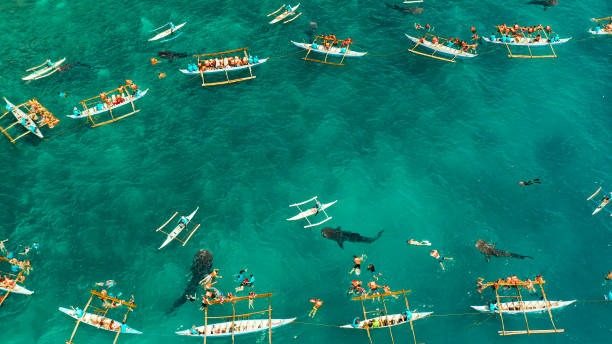
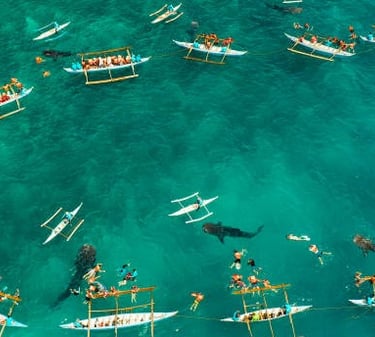
Cebu is one of the most dynamic and culturally rich destinations in the Philippines. It offers a unique blend of history, nature, and modern attractions. A visit to Magellan’s Cross in Cebu City is a must for history buffs, as it marks the spot where Ferdinand Magellan planted the cross in 1521, symbolizing the arrival of Christianity in the Philippines. Close by, you can also visit Basilica del Santo Niño, home to the oldest religious relic in the country, the Santo Niño de Cebu. For nature lovers, Cebu offers some of the country’s most stunning beaches and waterfalls. Kawasan Falls, located in the town of Badian, is famous for its breathtaking turquoise waters and serene surroundings, and you can even try canyoneering there for a thrilling adventure. Malapascua Island, known for its white sandy beaches and clear waters, is a top destination for diving, especially for thresher shark encounters. Oslob offers the incredible experience of swimming with gentle whale sharks, one of the largest fish in the world—though it’s important to be mindful of ethical considerations when engaging with wildlife.
Food and Community
Cebu is also famous for its culinary delights, which are deeply rooted in both local and Spanish influences. One of the island’s most famous dishes is lechon, or roasted pig, which has a rich, crispy skin and tender meat. Cebu is considered by many to serve the best lechon in the country, and you’ll find vendors throughout the city offering it as a centerpiece for celebrations or simply for a delicious meal. Another must-try is sutukil, a local dish that stands for three ways of cooking seafood: sugba (grilled), tuliao (soup), and kilaw (raw). For a refreshing treat, try otap, a crispy, flaky pastry that’s a local favorite. The people of Cebu are known for their hospitality and friendliness, and the city has a vibrant mix of locals and tourists. In more urban areas like Cebu City, the atmosphere is lively with modern malls, street food vendors, and cultural events. In smaller towns like Moalboal and Oslob, you’ll experience a slower pace of life and a closer connection to nature. The local community is proud of its heritage, and you’ll often find festivals and celebrations that showcase the island’s vibrant culture, such as the Sinulog Festival, one of the largest and most colorful festivals in the country, which takes place every January.
Things to Be Careful About
While Cebu is an amazing place to visit, there are a few things to keep in mind for a safe and smooth trip. The weather can be unpredictable, with heavy rains during the rainy season (June to October), so it’s important to check the forecast before heading out, especially if you're planning outdoor activities like island hopping or canyoning. Traffic congestion can also be an issue in Cebu City, especially during peak hours. If you’re planning to explore the city, consider using local apps like Grab for convenience or renting a motorbike for more flexibility in navigating around. When swimming with whale sharks in Oslob, be aware of the ethical concerns around animal interaction. There are mixed opinions on whether this activity should be continued, as feeding and close interaction with these creatures can disrupt their natural behavior. Always choose operators who follow sustainable practices and respect the wildlife. If you're heading to more remote areas like Malapascua Island, make sure to plan your trip ahead of time, as ferry schedules can be unpredictable and services may not always run on time. Lastly, be mindful of personal belongings in crowded areas, especially in the more tourist-heavy spots, to avoid petty theft.
In summary, Cebu offers a unique combination of historical landmarks, breathtaking natural attractions, and a thriving food scene. Whether you’re exploring its rich cultural heritage, swimming with whale sharks, or relaxing on beautiful beaches, Cebu has something to offer every traveler. The island’s warm and friendly community adds to the charm, making you feel right at home. With a little preparation for weather conditions, traffic, and ethical considerations regarding wildlife, Cebu promises an unforgettable experience that highlights the beauty, culture, and adventure that the Philippines has to offer.
5. Vigan
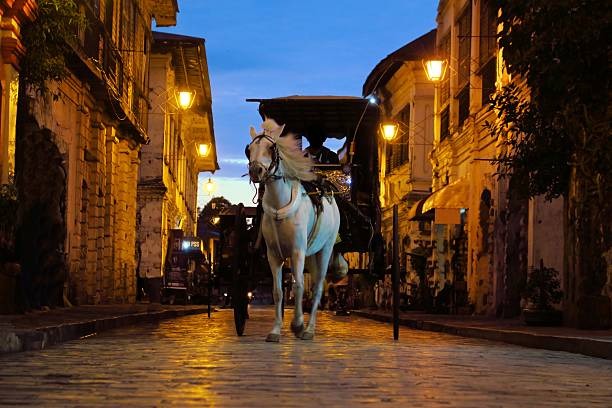
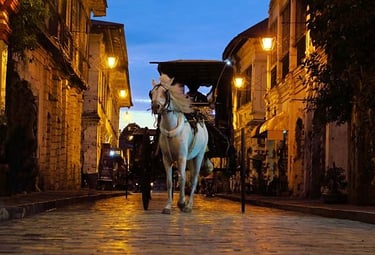
Vigan, located in the Ilocos Sur region of the Philippines, is one of the most charming and historic towns you’ll ever visit. It's a UNESCO World Heritage Site, known for its well-preserved Spanish colonial architecture that takes you back in time. The heart of Vigan is Calle Crisologo, a cobblestone street lined with Spanish-era houses, antique shops, and traditional horse-drawn carriages called calesas. Strolling down this street feels like stepping into a different era, with the colonial buildings and vintage vibes. Another must-visit is Vigan Cathedral, officially known as St. Paul’s Metropolitan Cathedral, which is a beautiful example of Spanish Baroque architecture. For a deeper dive into the local history and culture, head to The Syquia Mansion, which was the former home of a former Philippine president and now houses artifacts and exhibits from the Spanish colonial period. For some breathtaking views of the town, visit the Bantay Bell Tower—a climb to the top rewards you with panoramic vistas of Vigan and the surrounding countryside.
Food and Community
Vigan is a food lover's haven, offering a variety of traditional dishes and delicacies that reflect its rich cultural heritage. The town is particularly famous for its longganisa (a type of Filipino sausage), which is sweet, garlicky, and packed with flavor. You’ll find it served with vinegar, steamed rice, and a side of egg—a simple yet satisfying meal. Another local delicacy to try is empanada, a savory pastry filled with vegetables, meat, and sometimes egg, then deep-fried until crispy. Don’t forget to indulge in Vigan’s pottery, where you can find handmade clay products, from cooking pots to beautiful souvenirs. The community in Vigan is warm and welcoming, with a slower pace of life compared to the larger cities. The town has retained much of its cultural charm, and the people are proud of their heritage, often eager to share the town’s stories with visitors. The heritage village atmosphere is complemented by local artisans and vendors who sell handmade crafts, making it a great place to pick up unique, locally made souvenirs.
Things to Be Careful About
While Vigan is a beautiful and peaceful destination, there are a few things to consider for a smooth visit. The town can get quite busy, especially during peak tourist seasons, so it’s advisable to visit early in the morning or late afternoon to avoid the crowds. If you’re planning to take a calesa ride, be sure to agree on a price with the driver beforehand, as fares can vary depending on the duration of the ride and the areas you wish to visit. Traffic can sometimes be tricky in the more populated areas around the main attractions, but Vigan’s size makes it easy to navigate on foot, and walking around is the best way to fully appreciate the town’s charm. Be cautious about leaving personal belongings unattended, especially in crowded markets or busy tourist areas. Lastly, while Vigan is known for its beautiful architecture and cultural sites, it is also a small town, so certain services like internet access or medical facilities may be limited so plan accordingly in case of emergencies.
In summary, Vigan is a captivating destination that offers a window into the past with its well-preserved Spanish colonial architecture, rich history, and vibrant local culture. Whether you’re walking down the cobblestone streets of Calle Crisologo, enjoying local delicacies like longganisa and empanada, or soaking in the town’s cultural atmosphere, Vigan offers a unique and enriching experience. The community’s warmth and the town’s historical charm make it a perfect destination for those looking to experience traditional Filipino culture while enjoying a slower, more peaceful pace of life. Just be mindful of the crowds, transportation, and the town's more limited amenities to ensure you have a smooth, enjoyable visit to this beautiful gem of the Philippines.
The journey through these five remarkable places demonstrates that the Philippines is a destination defined by its incredible geographical and cultural richness. This list offers a perfect itinerary, moving you from the world-renowned white sands of Boracay and the unspoiled marine biodiversity of Palawan to the unique geological wonders of Bohol. It combines the historical, commercial energy of the Cebu region with the preserved, centuries-old charm found only in Vigan.

The key insight for any traveler planning a Philippine adventure is that the beauty is matched only by the warmth of its people. Whether you are bargaining for a tricycle ride, sharing a plate of Lechon, or simply asking for directions, the spirit of genuine Filipino hospitality will be your constant companion.
So, pack your sunscreen and your sense of historical wonder. By embracing the beautiful contrasts, from vibrant city life to tranquil island retreats, you are guaranteed not just a vacation, but a meaningful, enriching experience that captures the true heart and soul of this stunning archipelago.