
5 Remedies For Headache
HEALTH


Here are some remedies that may help relieve a headache. If you have a severe headache or one that does not respond to home remedies, see a doctor. There may be an underlying medical condition that is causing your headaches.
5 Remedies For Headache
1. Over-the-counter pain relievers


Over-the-counter (OTC) pain relievers are a common and convenient way to alleviate headache pain. These medications are widely available without a prescription and can be effective in managing mild to moderate headaches. Here's a comprehensive guide to using OTC pain relievers for headache relief:
Types of Over-the-Counter Pain Relievers
Several types of OTC pain relievers can be used to alleviate headache pain. The most common types include:
Acetaminophen (e.g., Tylenol):
Acetaminophen is a pain reliever and fever reducer that works by blocking the production of certain chemicals in the brain that cause pain.
It is generally considered safe and effective for alleviating mild to moderate headache pain.
Acetaminophen is available in various forms, including tablets, capsules, liquid, and suppositories.
Nonsteroidal Anti-Inflammatory Drugs (NSAIDs) (e.g., Ibuprofen, Naproxen, Aspirin):
NSAIDs are a class of pain relievers that work by reducing inflammation, relieving pain, and lowering fever.
Common NSAIDs include ibuprofen (e.g., Advil, Motrin), naproxen (e.g., Aleve), and aspirin (e.g., Bayer).
NSAIDs are available in various forms, including tablets, capsules, liquid, and chewable tablets.
How to Use Over-the-Counter Pain Relievers for Headache Relief
To effectively use OTC pain relievers for headache relief, follow these guidelines:
Read the Label:
Carefully read the label and follow the instructions for use, including the recommended dosage and frequency.
Do not exceed the recommended dosage, as this can increase the risk of side effects.
Take with Food or Water:
Take OTC pain relievers with food or water to help reduce the risk of stomach upset.
Avoid taking OTC pain relievers on an empty stomach, as this can increase the risk of stomach irritation.
Stay Hydrated:
Stay hydrated by drinking plenty of water throughout the day.
Dehydration can contribute to headache pain and reduce the effectiveness of OTC pain relievers.
Combine with Other Remedies:
Combine OTC pain relievers with other headache remedies, such as staying hydrated, applying a cold or warm compress, practicing relaxation techniques, massaging tense muscles, and using essential oils.
Combining remedies can enhance their effectiveness and promote faster relief.
Potential Side Effects and Precautions
While OTC pain relievers can be effective in alleviating headache pain, they can also cause side effects and interact with other medications. Here are some potential side effects and precautions to keep in mind:
Acetaminophen:
Acetaminophen is generally considered safe and effective, but it can cause liver damage if taken in excess.
Do not exceed the recommended dosage of acetaminophen, and avoid taking it with other medications that contain acetaminophen.
Acetaminophen can interact with other medications, including blood thinners, anticonvulsants, and certain antibiotics.
Consult a healthcare provider before taking acetaminophen if you have liver disease, kidney disease, or a history of alcohol abuse.
NSAIDs:
NSAIDs can cause stomach irritation, ulcers, and bleeding, particularly if taken on an empty stomach or in excess.
Do not exceed the recommended dosage of NSAIDs, and avoid taking them with other medications that contain NSAIDs.
NSAIDs can interact with other medications, including blood thinners, diuretics, and certain antibiotics.
Consult a healthcare provider before taking NSAIDs if you have a history of stomach ulcers, bleeding disorders, or kidney disease.
When to Seek Medical Attention
While OTC pain relievers can be effective in alleviating headache pain, it's essential to seek medical attention if you experience any of the following symptoms:
Severe or sudden headache that comes on abruptly and is described as "the worst headache of your life."
Headache accompanied by fever, stiff neck, confusion, seizures, or loss of consciousness.
Headache that worsens over time or does not improve with OTC pain relievers.
A headache that is accompanied by vision changes, slurred speech, or weakness on one side of the body.
A headache that is accompanied by nausea, vomiting, or sensitivity to light and sound.
A headache that occurs frequently or becomes chronic despite using OTC pain relievers.
If you experience any of these symptoms, seek immediate medical attention, as they can indicate a more serious underlying condition.
OTC pain relievers can be an effective and convenient way to alleviate headache pain. By carefully reading the label, following the recommended dosage and frequency, taking with food or water, staying hydrated, and combining with other remedies, you can effectively manage headache pain and improve your overall well-being. Remember that everyone's experience with headaches is unique, and it's essential to find what works best for you.
If you have any concerns about your headaches or need personalized guidance and support, consult a healthcare provider. They can help you identify the underlying cause of your headaches, provide ongoing support, and address any specific health issues or concerns. By working together, you can effectively manage headache pain and improve your overall health and well-being.
Stay committed to your self-care, stay motivated, and celebrate your successes along the way. With dedication, perseverance, and the right remedies, you can alleviate headache pain and enjoy a healthier, happier life. You've got this!
2. Rest


Rest is a crucial component of managing and alleviating headache pain. When you experience a headache, your body is signaling that it needs time to recover and rejuvenate. Resting can help reduce stress, promote relaxation, and alleviate headache symptoms. Here's a comprehensive guide to using rest for headache relief:
The Importance of Rest for Headache Relief
Rest plays a vital role in managing headache pain and promoting overall well-being. Here are some of the key benefits of resting when you have a headache:
Reduces Stress and Tension:
Resting can help reduce stress and tension, which are common triggers for headaches, particularly tension headaches.
By taking time to rest, you can help calm your mind and relax your muscles, promoting headache relief.
Promotes Relaxation:
Resting can help promote relaxation, which can alleviate headache pain and improve overall well-being.
By engaging in relaxing activities, such as reading, listening to calming music, or practicing deep breathing, you can enhance the effectiveness of rest for headache relief.
Improves Blood Flow:
Resting can help improve blood flow, which can alleviate headache pain and promote healing.
By lying down and elevating your feet, you can help improve circulation and reduce headache symptoms.
Supports the Body's Natural Healing Process:
Resting allows your body to focus its energy on healing and recovery, which can help alleviate headache pain and promote overall well-being.
By giving your body the time it needs to rest and recover, you can support its natural healing process and enhance the effectiveness of other headache remedies.
How to Use Rest for Headache Relief
To effectively use rest for headache relief, follow these guidelines:
Find a Quiet, Dark, and Cool Environment:
Find a quiet, dark, and cool environment to rest, as this can help promote relaxation and alleviate headache symptoms.
Dim the lights, close the curtains, and reduce noise to create a calming atmosphere.
Lie Down and Elevate Your Feet:
Lie down on a comfortable surface, such as a bed or couch, and elevate your feet to help improve circulation and reduce headache symptoms.
Use pillows or a footrest to support your feet and promote relaxation.
Practice Relaxation Techniques:
Engage in relaxing activities, such as reading, listening to calming music, or practicing deep breathing, to enhance the effectiveness of rest for headache relief.
By focusing on relaxation, you can help calm your mind and alleviate headache pain.
Stay Hydrated:
Stay hydrated by drinking plenty of water throughout the day, as dehydration can contribute to headache pain and reduce the effectiveness of rest.
Keep a water bottle nearby and sip water regularly to maintain proper hydration.
Avoid Screens and Bright Lights:
Avoid screens, such as televisions, computers, and smartphones, as they can contribute to eye strain and worsen headache symptoms.
Dim the lights and reduce screen time to promote relaxation and alleviate headache pain.
Potential Challenges and Solutions
While resting can be an effective way to alleviate headache pain, it can also present some challenges. Here are some potential challenges and solutions to keep in mind:
Difficulty Falling Asleep:
If you're having difficulty falling asleep, try practicing relaxation techniques, such as deep breathing, progressive muscle relaxation, or meditation.
Create a sleep-conducive environment by dimming the lights, reducing noise, and using comfortable bedding.
Disrupted Sleep:
If your headache disrupts your sleep, try taking short naps throughout the day to make up for lost sleep.
Establish a consistent sleep schedule and practice good sleep hygiene to improve sleep quality and duration.
Inability to Rest Due to Pain:
If your headache pain is severe and makes it difficult to rest, try using OTC pain relievers, applying a cold or warm compress, or massaging tense muscles to alleviate pain and promote relaxation.
Combine rest with other headache remedies to enhance their effectiveness and promote faster relief.
3. Applying a cold compress
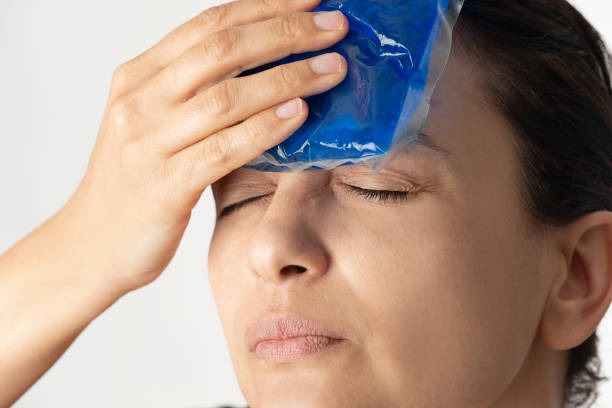
Applying a cold compress is a simple, non-invasive, and effective remedy for alleviating headache pain. The cold temperature can help numb the area, reduce inflammation, and constrict blood vessels, promoting headache relief. Here's a comprehensive guide to using a cold compress for headache relief:
The Science Behind Cold Compress Therapy
Cold compress therapy works by:
Numbing the Area:
The cold temperature can help numb the area, reducing the sensation of pain and promoting relief.
Reducing Inflammation:
Cold compresses can help reduce inflammation, which is a common contributor to headache pain, particularly in tension headaches and migraines.
Constricting Blood Vessels:
Cold compresses can help constrict blood vessels, reducing blood flow to the area and alleviating headache symptoms.
How to Use a Cold Compress for Headache Relief
To effectively use a cold compress for headache relief, follow these guidelines:
Prepare the Cold Compress:
Wrap a bag of ice or frozen vegetables in a thin towel or cloth to protect your skin from direct contact with the cold.
Alternatively, use a commercial cold pack or a gel pack that can be stored in the freezer.
Apply the Cold Compress:
Lie down in a comfortable position and close your eyes.
Place the cold compress on your forehead, temples, or the back of your neck, depending on where you feel the most pain.
Gently hold the compress in place, applying light to moderate pressure.
Duration and Frequency:
Leave the cold compress in place for 10-15 minutes, or until the area feels numb.
Remove the compress and allow your skin to warm up before reapplying if needed.
Repeat the process as necessary, taking breaks to allow your skin to warm up between applications.
Combine with Other Remedies:
Combine cold compress therapy with other headache remedies, such as OTC pain relievers, resting, practicing relaxation techniques, massaging tense muscles, and using essential oils.
Combining remedies can enhance their effectiveness and promote faster relief.
Potential Benefits and Precautions
While cold compress therapy can be effective in alleviating headache pain, it's essential to be aware of potential benefits and precautions:
Benefits:
Cold compress therapy is a non-invasive, drug-free remedy that can be used at home.
It is generally safe and well-tolerated, with few side effects.
Cold compress therapy can be used in combination with other headache remedies for enhanced effectiveness.
Precautions:
Do not apply a cold compress directly to your skin, as this can cause frostbite or skin damage.
Always wrap the cold compress in a thin towel or cloth to protect your skin.
Do not apply a cold compress for extended periods, as this can cause tissue damage.
If you have circulation problems, such as Raynaud's disease or peripheral artery disease, consult a healthcare provider before using cold compress therapy.
4. Drinking plenty of fluids


Staying hydrated is crucial for overall health and well-being, and it plays a significant role in preventing and alleviating headache pain. Dehydration is a common trigger for headaches, particularly tension headaches and migraines. Drinking plenty of fluids can help maintain proper hydration, support bodily functions, and promote headache relief. Here's a comprehensive guide to using hydration for headache relief:
The Importance of Hydration for Headache Relief
Hydration is essential for maintaining proper bodily functions, including:
Supporting Brain Function:
The brain is highly sensitive to changes in hydration status, and even mild dehydration can trigger headache pain.
Staying hydrated helps support brain function, promoting overall well-being and alleviating headache symptoms.
Regulating Blood Volume and Pressure:
Proper hydration helps regulate blood volume and pressure, which can alleviate headache pain caused by changes in blood flow.
Dehydration can lead to reduced blood volume and increased blood pressure, contributing to headache symptoms.
Promoting Detoxification:
Staying hydrated supports the body's natural detoxification processes, helping to remove waste products and toxins that can contribute to headache pain.
Proper hydration promotes kidney function, which helps filter and remove waste products from the body.
Supporting Nutrient Absorption:
Hydration is essential for the absorption and transport of nutrients throughout the body.
Staying hydrated ensures that your body receives the necessary nutrients to support overall health and well-being, promoting headache relief.
How to Stay Hydrated for Headache Relief
To effectively use hydration for headache relief, follow these guidelines:
Drink Plenty of Water:
Aim to drink at least 8 glasses (64 ounces or 2 liters) of water throughout the day.
Carry a reusable water bottle with you and sip water regularly to maintain proper hydration.
Drink water before, during, and after physical activity to replace fluids lost through sweat.
Monitor Urine Color:
Monitor your urine color to assess your hydration status.
Ideally, your urine should be pale yellow or clear, indicating proper hydration.
Darker urine may indicate dehydration, prompting you to increase your fluid intake.
Consume Hydrating Foods:
Incorporate hydrating foods into your diet, such as watermelon, cucumbers, citrus fruits, and leafy greens.
These foods have high water content and can help support overall hydration and headache relief.
Avoid Dehydrating Beverages:
Limit your intake of dehydrating beverages, such as alcohol, caffeine, and sugary drinks.
These beverages can contribute to dehydration and worsen headache symptoms.
If you consume caffeinated beverages, balance them with plenty of water to maintain proper hydration.
Rehydrate After Illness or Physical Activity:
Rehydrate after illness or physical activity by drinking plenty of fluids to replace lost electrolytes and support overall hydration.
Consume electrolyte-rich beverages, such as sports drinks or coconut water, to replenish lost minerals and promote rehydration.
Potential Benefits and Precautions
While staying hydrated can be effective in preventing and alleviating headache pain, it's essential to be aware of potential benefits and precautions:
Benefits:
Staying hydrated is a simple, non-invasive, and drug-free remedy that can be used at home.
It is generally safe and well-tolerated, with few side effects.
Proper hydration supports overall health and well-being, promoting headache relief and preventing future headaches.
Precautions:
While staying hydrated is essential, drinking too much water too quickly can lead to water intoxication, a condition characterized by an electrolyte imbalance.
Avoid drinking excessive amounts of water in a short period, and balance your fluid intake with electrolytes to maintain proper hydration.
If you have a medical condition that affects your fluid balance, such as kidney disease or heart failure, consult a healthcare provider before increasing your fluid intake.
5. Avoiding triggers


Identifying and avoiding headache triggers is a crucial aspect of managing and preventing headache pain. Headache triggers can vary from person to person, and understanding your specific triggers can help you take proactive steps to minimize their impact. Here's a comprehensive guide to identifying and avoiding headache triggers:
Common Headache Triggers
Headache triggers can be categorized into several groups, including:
Dietary Triggers:
Certain foods and beverages can trigger headaches in some individuals.
Common dietary triggers include:
Aged cheeses (e.g., blue cheese, cheddar, parmesan)
Processed meats (e.g., hot dogs, sausages, deli meats)
Chocolate
Alcohol, particularly red wine
Caffeine withdrawal or excessive consumption
Monosodium glutamate (MSG)
Nitrates and nitrites
Artificial sweeteners (e.g., aspartame)
Environmental Triggers:
Certain environmental factors can trigger headaches in some individuals.
Common environmental triggers include:
Bright or flickering lights
Loud noises
Strong smells, such as perfumes, cleaning products, or smoke
Changes in barometric pressure or weather patterns
High altitudes
Dehydration
Lifestyle Triggers:
Certain lifestyle factors can trigger headaches in some individuals.
Common lifestyle triggers include:
Stress and anxiety
Lack of sleep or poor sleep quality
Skipping meals or irregular eating patterns
Dehydration
Physical exertion or intense exercise
Eye strain, such as prolonged screen time or reading in low light
Hormonal Triggers:
Hormonal fluctuations can trigger headaches in some individuals, particularly women.
Common hormonal triggers include:
Menstruation
Pregnancy
Menopause
Hormonal birth control
Hormone replacement therapy
How to Identify Your Headache Triggers
To effectively identify your headache triggers, follow these guidelines:
Keep a Headache Diary:
Keep a detailed headache diary to track your headaches, including the date, time, duration, severity, and any associated symptoms.
Record potential triggers, such as foods, beverages, environmental factors, lifestyle factors, and hormonal changes.
Review your headache diary regularly to identify patterns and potential triggers.
Eliminate Suspected Triggers:
Once you have identified potential triggers, eliminate them from your diet, environment, or lifestyle to see if your headaches improve.
For example, if you suspect that certain foods are triggering your headaches, avoid them for a few weeks and monitor your symptoms.
Reintroduce Triggers Gradually:
After eliminating suspected triggers, reintroduce them gradually and one at a time to determine if they are indeed causing your headaches.
Monitor your symptoms closely and record any changes in your headache diary.
Consult a Healthcare Provider:
If you're having difficulty identifying your headache triggers or if your headaches are severe, frequent, or worsening, consult a healthcare provider.
They can help you identify your triggers, provide personalized guidance and support, and address any specific health issues or concerns.
How to Avoid Headache Triggers
To effectively avoid headache triggers, follow these guidelines:
Dietary Triggers:
Read food labels carefully to identify and avoid potential triggers.
Plan your meals and snacks to ensure you're eating a balanced diet and avoiding trigger foods.
Stay hydrated by drinking plenty of water throughout the day.
Limit your intake of caffeine and alcohol, and be aware of their potential to trigger headaches.
Environmental Triggers:
Wear sunglasses or a hat to protect your eyes from bright or flickering lights.
Use earplugs or noise-canceling headphones to reduce exposure to loud noises.
Avoid strong smells by using natural, fragrance-free products and ensuring proper ventilation.
Stay indoors during extreme weather conditions or changes in barometric pressure.
Use a humidifier or dehumidifier to maintain optimal humidity levels in your home.
Lifestyle Triggers:
Practice stress-management techniques, such as deep breathing, meditation, yoga, or progressive muscle relaxation.
Establish a consistent sleep schedule and practice good sleep hygiene to improve sleep quality and duration.
Eat regular, balanced meals to maintain stable blood sugar levels and avoid skipping meals.
Stay hydrated by drinking plenty of water throughout the day.
Take breaks during prolonged screen time or reading to reduce eye strain.
Gradually increase the intensity and duration of your exercise routine to avoid physical exertion-related headaches.
Hormonal Triggers:
Track your menstrual cycle and hormonal changes to identify patterns and potential triggers.
Consult a healthcare provider to discuss hormonal birth control options, hormone replacement therapy, or other treatments to manage hormonal fluctuations.
Practice self-care techniques, such as stress management, relaxation, and adequate sleep, to support overall hormonal balance.
Potential Benefits and Precautions
While identifying and avoiding headache triggers can be effective in preventing and alleviating headache pain, it's essential to be aware of potential benefits and precautions:
Benefits:
Identifying and avoiding headache triggers is a non-invasive, drug-free approach to managing headache pain.
It is generally safe and well-tolerated, with few side effects.
Understanding your specific triggers can help you take proactive steps to minimize their impact and improve your overall quality of life.
Precautions:
Identifying and avoiding headache triggers can be a time-consuming and challenging process, as triggers can vary from person to person.
It's essential to be patient and persistent in tracking your symptoms and experimenting with different triggers.
If you're having difficulty identifying your headache triggers or if your headaches are severe, frequent, or worsening, consult a healthcare provider for personalized guidance and support.
When to Seek Medical Attention
While identifying and avoiding headache triggers can be effective in preventing and alleviating headache pain, it's essential to seek medical attention if you experience any of the following symptoms:
Severe or sudden headache that comes on abruptly and is described as "the worst headache of your life."
Headache accompanied by fever, stiff neck, confusion, seizures, or loss of consciousness.
Headache that worsens over time or does not improve with trigger avoidance and other remedies.
A headache that is accompanied by vision changes, slurred speech, or weakness on one side of the body.
A headache that is accompanied by nausea, vomiting, or sensitivity to light and sound.
A headache that occurs frequently or becomes chronic, despite using trigger avoidance and other remedies.
If you experience any of these symptoms, seek immediate medical attention, as they can indicate a more serious underlying condition.
Identifying and avoiding headache triggers is a crucial aspect of managing and preventing headache pain. By keeping a headache diary, eliminating suspected triggers, reintroducing triggers gradually, and consulting a healthcare provider, you can effectively identify your specific triggers and take proactive steps to minimize their impact. Remember that everyone's experience with headaches is unique, and it's essential to find what works best for you.
If you have any concerns about your headaches or need personalized guidance and support, consult a healthcare provider. They can help you identify the underlying cause of your headaches, provide ongoing support, and address any specific health issues or concerns. By working together, you can effectively manage headache pain and improve your overall health and well-being.
Stay committed to your self-care, stay motivated, and celebrate your successes along the way. With dedication, perseverance, and the right remedies, you can alleviate headache pain and enjoy a healthier, happier life. You've got this!
Headaches are common, but they shouldn't rule your life. As you can see, tackling that pain is often a combination of simple, immediate actions and smart, long-term prevention. Whether you reach for an OTC pain reliever, retreat to a dark room for some rest, or try a soothing cold compress, the goal is to give your overworked nervous system a break.
Remember that hydration is your constant defense, and avoiding your specific triggers is the key to living with fewer headaches overall. By staying proactive and listening to the subtle cues your body sends, you can significantly reduce the frequency and severity of your pain.

A Critical Note on Severity: While these home remedies are effective for common headaches, never ignore severe or unusual pain. If you experience the worst headache of your life, sudden difficulty speaking, vision changes, or a headache accompanied by a fever and a stiff neck, seek medical attention immediately. When in doubt, always consult a healthcare professional.