
5 Remedies For kids Diarrhea
HEALTH
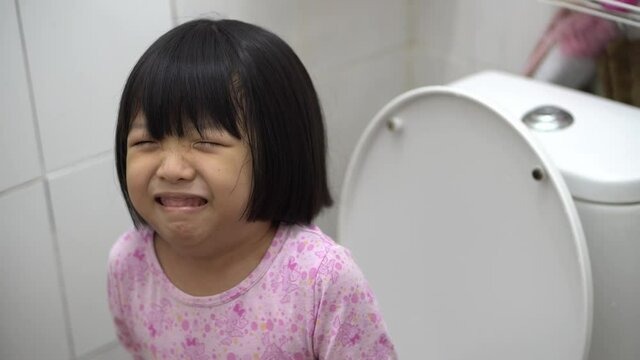
Several remedies can help alleviate diarrhea symptoms in kids. The best treatment for your child's diarrhea is supportive care. To provide relief from diarrhea symptoms, focus on:
Keeping your child hydrated
Offering a variety of nutritious foods
Identifying triggers or problem foods
5 Remedies For kids Diarrhea
1. Rehydrate with fluids
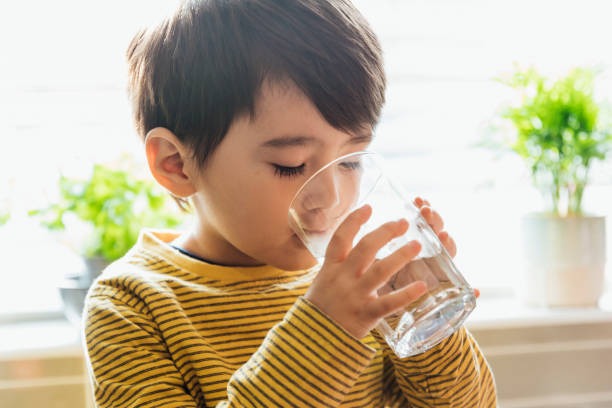
Diarrhea can lead to significant fluid loss, putting your child at risk of dehydration. Rehydrating with fluids is crucial to replace lost electrolytes and maintain proper bodily functions. Here are some effective ways to rehydrate your child:
Oral Rehydration Solutions (ORS):
ORS are specially formulated to replenish fluids and electrolytes lost during diarrhea.
These solutions contain a balanced mix of water, glucose, and electrolytes like sodium and potassium, which help the body absorb fluids more effectively.
Offer small, frequent sips of ORS throughout the day to ensure continuous hydration.
Water:
Plain water is essential for rehydration, but it should not be the only fluid offered, as it does not replace lost electrolytes.
Offer water in small amounts frequently to prevent overwhelming the stomach.
Clear Broths:
Clear broths, such as chicken or vegetable broth, can provide both hydration and some essential nutrients.
Ensure the broth is not too salty or spicy, as this can further irritate the stomach.
Diluted Fruit Juices:
Offer diluted fruit juices like apple or orange juice, which can provide some electrolytes and a small amount of sugar for energy.
Dilute the juice with water to reduce the sugar content and prevent further irritation of the stomach.
Herbal Teas:
Certain herbal teas, such as chamomile or ginger tea, can be soothing for the stomach and help with hydration.
Ensure the tea is caffeine-free and not too hot before offering it to your child.
Fruits and Vegetables with High Water Content:
Offer fruits and vegetables that have high water content, such as watermelon, cucumbers, and strawberries.
These can provide hydration along with essential vitamins and minerals.
Signs of Dehydration:
It's crucial to recognize the signs of dehydration in children, as they can become seriously ill if dehydration is not addressed promptly. Contact your pediatrician immediately if your child exhibits any of the following symptoms:
Dry mouth and tongue
Sunken eyes
Decreased urination (fewer wet diapers or less frequent urination)
No tears when crying
Lethargy or irritability
Sunken soft spot (fontanelle) on the top of the head (in infants)
Cool, blotchy hands and feet
Rapid breathing or fast heartbeat
Preventing Dehydration:
To prevent dehydration, offer fluids frequently and in small amounts. Encourage your child to sip fluids throughout the day, even if they do not feel thirsty. If your child is vomiting, wait about 10-15 minutes after the vomiting episode before offering small sips of fluid again.
By focusing on rehydration, you can help your child recover more quickly from diarrhea and reduce the risk of complications. Always consult your pediatrician if you have concerns about your child's hydration status or if their condition worsens.
2. Feed them a bland diet
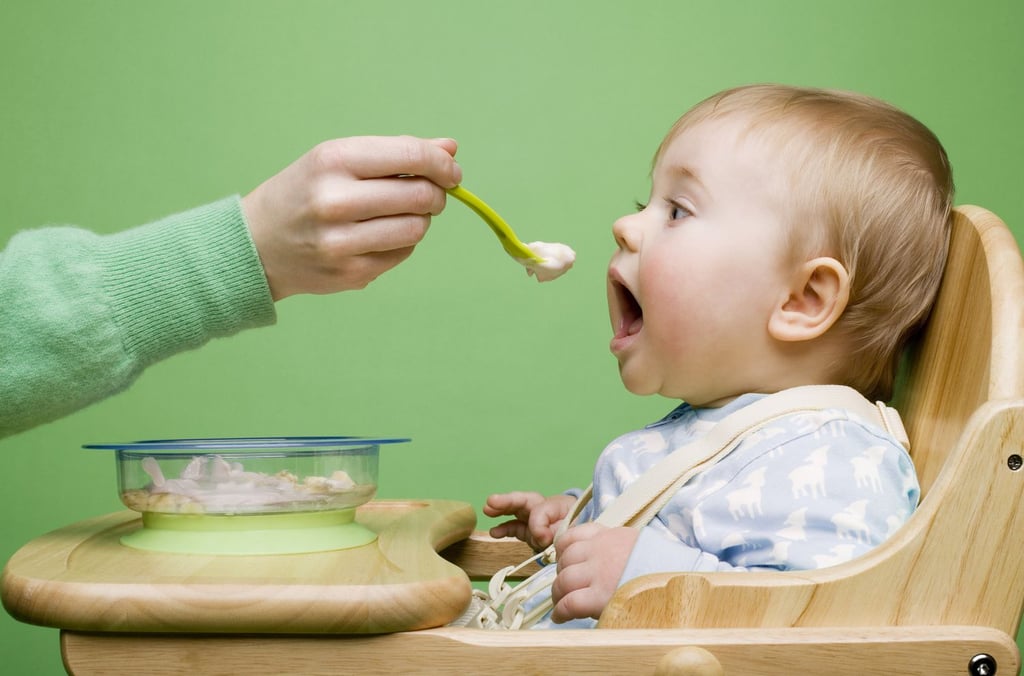
When your child has diarrhea, their digestive system may be sensitive and irritated. Feeding them a bland diet can help soothe their stomach, reduce irritation, and promote recovery. Here are some guidelines for offering a bland diet to your child:
What to Include in a Bland Diet:
Bananas:
Bananas are an excellent source of easily digestible carbohydrates and potassium, which can help replace lost electrolytes.
They also contain pectin, a type of fiber that can help firm up stools.
Rice:
Plain, well-cooked white rice is gentle on the stomach and can help absorb excess fluid in the intestines, making stools less watery.
You can offer rice as a side dish or mix it with other bland foods like boiled potatoes or applesauce.
Applesauce:
Unsweetened applesauce is a good source of pectin and can help firm up stools.
Ensure the applesauce is not sweetened with added sugars, as these can further irritate the stomach.
Toast:
Plain toast made from white bread can be a good source of easily digestible carbohydrates.
You can offer toast plain or with a small amount of butter or jam (in moderation).
Boiled Potatoes:
Boiled potatoes are gentle on the stomach and can provide some essential nutrients like potassium and vitamin C.
Mash the potatoes well to make them easier to digest.
Plain Pasta:
Plain, well-cooked pasta can be a good source of easily digestible carbohydrates.
Avoid adding heavy sauces or seasonings, as these can irritate the stomach.
Steamed or Boiled Vegetables:
Steamed or boiled vegetables like carrots, zucchini, and green beans can provide essential nutrients without irritating the stomach.
Ensure the vegetables are well-cooked and easy to digest.
Lean Proteins:
Offer small amounts of lean proteins like boiled chicken, turkey, or fish.
Ensure the meat is well-cooked and free from heavy seasonings or sauces.
What to Avoid:
Dairy Products:
Avoid offering dairy products like milk, cheese, and yogurt, as they can be difficult to digest and may worsen diarrhea.
High-Fiber Foods:
Avoid high-fiber foods like whole grains, raw vegetables, and fruits with skins, as they can be difficult to digest and may exacerbate diarrhea.
Spicy or Fatty Foods:
Avoid offering spicy or fatty foods, as they can irritate the stomach and worsen diarrhea.
Sugary Foods and Drinks:
Avoid offering sugary foods and drinks, as they can draw water into the intestines and worsen diarrhea.
Caffeinated Beverages:
Avoid offering caffeinated beverages like soda, tea, or coffee, as they can further dehydrate your child.
Gradually Reintroduce Foods:
Once your child's diarrhea has improved, you can gradually reintroduce other foods into their diet. Start with small portions of easily digestible foods and gradually increase the variety and quantity as your child's condition improves. If your child experiences a recurrence of diarrhea, revert to the bland diet and consult your pediatrician if necessary.
By offering a bland diet, you can help soothe your child's stomach, reduce irritation, and promote recovery from diarrhea. Always consult your pediatrician if you have concerns about your child's diet or if their condition worsens.
3. Give them probiotics
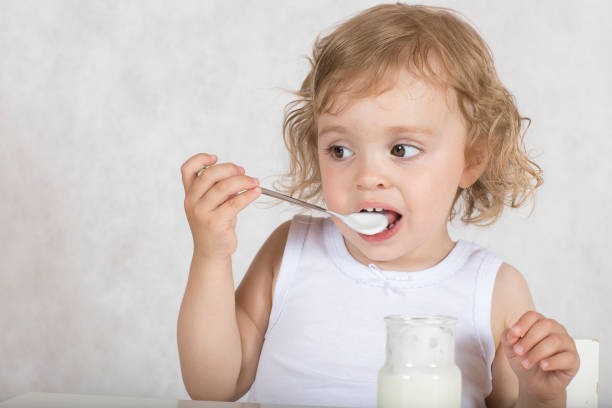
Probiotics are beneficial bacteria that can help restore the natural balance of gut flora, promoting better digestion and reducing the duration of diarrhea. Here's how you can incorporate probiotics into your child's diet to support their recovery:
Benefits of Probiotics for Diarrhea:
Restore Gut Flora: Diarrhea can disrupt the natural balance of bacteria in the gut. Probiotics help replenish beneficial bacteria, promoting a healthier digestive system.
Reduce Diarrhea Duration: Studies have shown that probiotics can help reduce the duration and severity of diarrhea, particularly in cases of infectious diarrhea.
Improve Digestion: Probiotics can enhance digestion and nutrient absorption, helping your child recover more quickly.
Sources of Probiotics:
Yogurt:
Plain, unsweetened yogurt is an excellent source of probiotics, particularly strains like Lactobacillus and Bifidobacterium.
Choose yogurt with live and active cultures, as these contain the beneficial bacteria your child needs.
Kefir:
Kefir is a fermented milk drink that contains a variety of probiotic strains.
It can be offered in small amounts, diluted with water or another beverage if your child is not used to its tangy taste.
Fermented Foods:
Fermented foods like sauerkraut, kimchi, and miso contain beneficial bacteria.
Ensure these foods are pasteurized and free from added spices or seasonings that may irritate your child's stomach.
Probiotic Supplements:
Probiotic supplements designed for children can be an effective way to deliver a concentrated dose of beneficial bacteria.
Always consult your pediatrician before giving your child any supplements to ensure they are appropriate for your child's age and health status.
How to Offer Probiotics:
Gradual Introduction:
Gradually introduce probiotic-rich foods into your child's diet, starting with small amounts and increasing as tolerated.
Monitor your child for any signs of discomfort or allergic reactions.
Consistent Intake:
Offer probiotics consistently throughout the day to maintain a steady supply of beneficial bacteria in the gut.
Incorporate probiotic-rich foods into meals and snacks, or follow the dosage instructions on probiotic supplements.
Hydration:
Ensure your child stays hydrated while taking probiotics, as adequate fluid intake supports the growth and activity of beneficial bacteria.
When to Consult a Pediatrician:
While probiotics are generally safe for most children, it's essential to consult your pediatrician before introducing them, especially if your child has a weakened immune system, a chronic medical condition, or is taking medications that suppress the immune system. Your pediatrician can provide personalized recommendations based on your child's specific needs.
By incorporating probiotics into your child's diet, you can support their digestive health, promote recovery from diarrhea, and improve overall well-being. Always prioritize hydration, a bland diet, and rest to help your child feel better more quickly. If you have any concerns about your child's health or the use of probiotics, consult your pediatrician for guidance.
4. Avoid giving them antidiarrheal medication
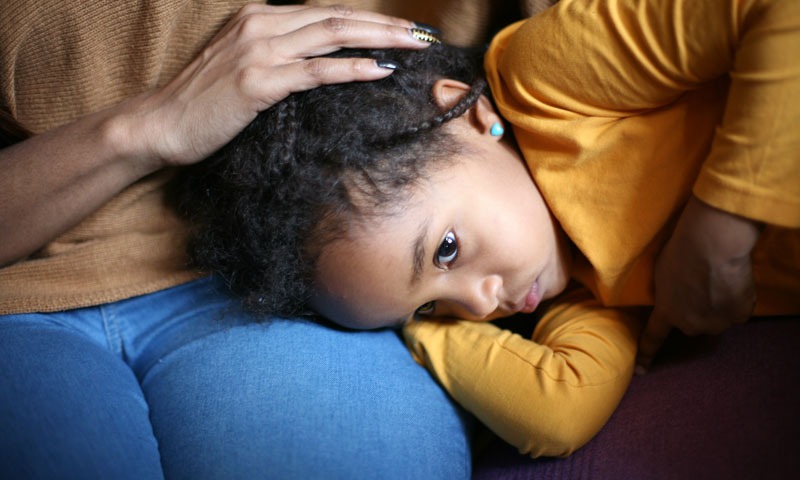
When your child has diarrhea, it's essential to support their body's natural healing process. In most cases, antidiarrheal medications should be avoided unless specifically recommended by a pediatrician. Here's why and what you should do instead:
Why Avoid Antidiarrheal Medications?
Interferes with the Body's Natural Healing Process:
Diarrhea is the body's way of flushing out harmful bacteria, viruses, or toxins from the digestive system.
Antidiarrheal medications can slow down or stop this process, potentially trapping harmful substances in the body and prolonging the illness.
Risk of Serious Complications:
In some cases, antidiarrheal medications can lead to serious complications, such as toxic megacolon or bowel obstruction, especially in young children.
These medications can also cause side effects like dizziness, drowsiness, and allergic reactions.
Masking Underlying Issues:
Antidiarrheal medications can mask the symptoms of more serious underlying conditions, delaying proper diagnosis and treatment.
It's crucial to identify and address the root cause of diarrhea to ensure your child receives appropriate care.
What to Do Instead:
Focus on Hydration:
Ensure your child stays hydrated by offering small, frequent sips of oral rehydration solutions (ORS), water, clear broths, and diluted fruit juices.
Monitor your child for signs of dehydration and seek medical attention if necessary.
Offer a Bland Diet:
Feed your child a bland diet consisting of easily digestible foods like bananas, rice, applesauce, and toast (BRAT diet).
Gradually reintroduce other foods as your child's condition improves.
Incorporate Probiotics:
Offer probiotic-rich foods like plain yogurt, kefir, or probiotic supplements to help restore the natural balance of gut bacteria.
Consult your pediatrician before giving your child any supplements.
Provide Comfort and Rest:
Ensure your child gets plenty of rest to support their body's healing process.
Keep them comfortable by dressing them in loose, comfortable clothing and providing a calm environment.
Monitor Symptoms:
Keep a close eye on your child's symptoms and contact your pediatrician if you notice any worsening or concerning signs.
Seek immediate medical attention if your child experiences severe diarrhea, dehydration, bloody stools, high fever, or other alarming symptoms.
When to Consider Antidiarrheal Medications:
In rare cases, a pediatrician may recommend antidiarrheal medications for specific situations, such as:
Traveler's Diarrhea:
If your child has traveler's diarrhea and you are unable to access medical care, a pediatrician may recommend a short course of antidiarrheal medication to help manage symptoms.
Chronic Diarrhea:
In cases of chronic diarrhea, a pediatrician may prescribe antidiarrheal medications as part of a comprehensive treatment plan.
However, these decisions should always be made in consultation with a healthcare professional, and antidiarrheal medications should never be given to children without medical supervision.
By avoiding antidiarrheal medications and focusing on supportive care, you can help your child's body heal naturally and reduce the risk of complications. Always consult your pediatrician if you have concerns about your child's health or the management of their diarrhea.
© childrens.com
5. Take them to the doctor if their diarrhea is sever or doesn't improve after a few days


While most cases of diarrhea in children resolve on their own with supportive care, it's crucial to know when to seek medical attention. If your child's diarrhea is severe or persists without improvement, consulting a pediatrician is essential to rule out underlying issues and ensure appropriate treatment. Here's when and why you should take your child to the doctor:
When to Seek Medical Attention:
Severe Diarrhea:
If your child has frequent, watery stools that are difficult to control, seek medical attention promptly.
Severe diarrhea can lead to rapid dehydration, which can be dangerous for young children.
Persistent Diarrhea:
If your child's diarrhea lasts more than 24-48 hours without showing signs of improvement, consult your pediatrician.
Persistent diarrhea can indicate an underlying infection, intestinal issue, or other medical condition that requires treatment.
Signs of Dehydration:
If your child shows signs of dehydration, such as dry mouth, sunken eyes, decreased urination, no tears when crying, lethargy, or irritability, seek immediate medical attention.
Dehydration can be serious and even life-threatening if not treated promptly.
Bloody or Black Stools:
If your child passes bloody or black stools, seek medical attention immediately.
Bloody stools can indicate a serious infection, intestinal issue, or other underlying condition that requires prompt evaluation and treatment.
High Fever:
If your child has a high fever (over 39.4∘C (103∘F)) accompanied by diarrhea, consult your pediatrician.
A high fever can indicate an infection that may require medical treatment.
Severe Abdominal Pain or Swelling:
If your child complains of severe abdominal pain or swelling, seek medical attention promptly.
Severe pain or swelling can indicate a serious underlying condition, such as an intestinal obstruction or appendicitis.
Lethargy or Difficulty Waking Up:
If your child appears lethargic, difficult to wake up, or unusually sleepy, seek immediate medical attention.
Lethargy can be a sign of severe dehydration or a serious underlying condition.
History of Chronic Medical Conditions:
If your child has a history of chronic medical conditions, such as inflammatory bowel disease, celiac disease, or a weakened immune system, consult your pediatrician promptly.
These conditions can increase the risk of complications from diarrhea and may require specialized care.
What to Expect During the Doctor's Visit:
When you take your child to the doctor, the pediatrician will likely:
Review your child's medical history and symptoms:
The doctor will ask about the duration and severity of your child's diarrhea, as well as any associated symptoms like fever, vomiting, or abdominal pain.
Perform a physical examination:
The doctor will examine your child to check for signs of dehydration, abdominal tenderness, or other concerning findings.
Order diagnostic tests if necessary:
Depending on your child's symptoms and medical history, the doctor may order tests such as a stool sample, blood tests, or imaging studies to identify the underlying cause of the diarrhea.
Provide appropriate treatment:
Based on the diagnosis, the doctor will recommend the most suitable treatment plan, which may include medications, dietary modifications, or other interventions.
Offer guidance on home care:
The doctor will provide guidance on how to manage your child's symptoms at home, including hydration, diet, and when to seek further medical attention.
Preventing Diarrhea:
To help prevent diarrhea in the future, practice good hygiene and food safety habits, such as:
Handwashing:
Encourage your child to wash their hands regularly, especially before eating and after using the toilet.
Food Safety:
Ensure that your child's food is prepared and stored safely to prevent contamination.
Avoiding Unsafe Water:
If you are traveling to areas with unsafe water, take precautions to avoid drinking or consuming contaminated water.
Vaccinations:
Ensure your child is up-to-date on recommended vaccinations, such as the rotavirus vaccine, which can help prevent viral gastroenteritis.
By knowing when to seek medical attention and following your pediatrician's advice, you can help ensure your child receives the appropriate care and support for their diarrhea. Always prioritize hydration, a bland diet, and rest to help your child recover more quickly. If you have any concerns about your child's health, consult your pediatrician for personalized guidance.
Dealing with diarrhea in kids can be stressful, but remember that for most children, simple, consistent care at home is the best medicine. The core strategy is clear: relentless hydration using ORS, followed by a bland diet to give the gut a rest, and optionally, probiotics to help restore balance. Just as important is knowing when to hold back; resisting the urge to use adult antidiarrheal medications is safer and often more effective in the long run.
The biggest takeaway is to be an attentive caregiver. If you see those red flags, especially signs of dehydration, blood in the stool, or lack of improvement after a couple of days, do not hesitate. Your doctor is your best partner in ensuring your child gets well quickly and safely.

Disclaimer: This information is for educational purposes only and is not a substitute for professional medical advice, diagnosis, or treatment. Always seek the advice of a qualified healthcare provider with any questions you may have regarding a medical condition or before making any decisions related to your child's health.