
5 Ways To Take Care Of Plants
FEATUREDPLANTS
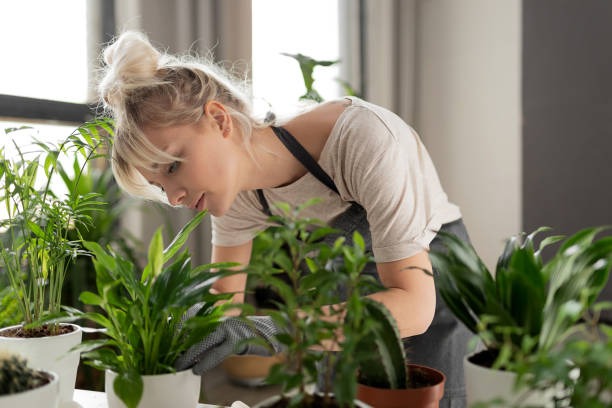
Planting plants is a great way to add beauty and life to your home or garden. It can also be a fun and rewarding hobby. By following these tips, you can keep your plants healthy and beautiful for years to come.
5 Ways To Take Care Of Plants
1. Give plants plenty of lights


Ah, sunlight. That glorious, life-giving force that makes plants go from droopy and sad to tall and proud. If you want your plants to thrive, you need to give them plenty of light. But not just any light, quality light that mimics the sun's warm, nurturing embrace.
Why Light Matters
Light is the driving force behind photosynthesis, the process by which plants convert light energy into chemical energy. This energy is then used to fuel growth, reproduction, and other vital functions. Without enough light, your plants will become weak, leggy, and prone to disease.
How to Give Your Plants Plenty of Light
Know Your Plant's Preferences: Different plants have different light requirements. Some thrive in bright, direct sunlight, while others prefer the gentle glow of indirect light. Research your plant's specific needs to ensure it gets the right amount of light.
Rotate Regularly: To ensure even growth, rotate your plants regularly. This helps all sides of the plant get equal exposure to light, preventing them from leaning or becoming lopsided.
Supplement with Grow Lights: If you don't have a lot of natural light, consider using grow lights. These specialized lights provide the full spectrum of light that plants need to thrive. They're perfect for indoor gardens, windowsills, and other areas where natural light is limited.
Maximize Natural Light: Place your plants near windows or in other areas where they can get plenty of natural light. South-facing windows are ideal, as they receive the most sunlight throughout the day. If your windows are small or shaded, consider using sheer curtains or blinds to maximize the light that gets through.
Monitor Light Levels: Keep an eye on your plants to make sure they're getting enough light. If they start to look leggy or pale, they might not be getting enough. If they start to scorch or turn yellow, they might be getting too much. Adjust their light exposure accordingly.
Fun Fact: The Magic of Photosynthesis
Did you know that photosynthesis is responsible for producing the oxygen we breathe? That's right! Plants take in carbon dioxide and water and, using the energy from sunlight, convert them into glucose and oxygen. This process not only fuels the plant's growth but also helps sustain life on Earth. Pretty amazing, huh?
Giving your plants plenty of light is one of the most important things you can do to ensure their health and vitality. Whether you're using natural sunlight or supplemental grow lights, make sure your plants get the light they need to thrive. With the right amount of light, your plants will reward you with lush growth, vibrant colors, and a touch of nature's beauty in your home. Happy planting!
2. Choose the right soil
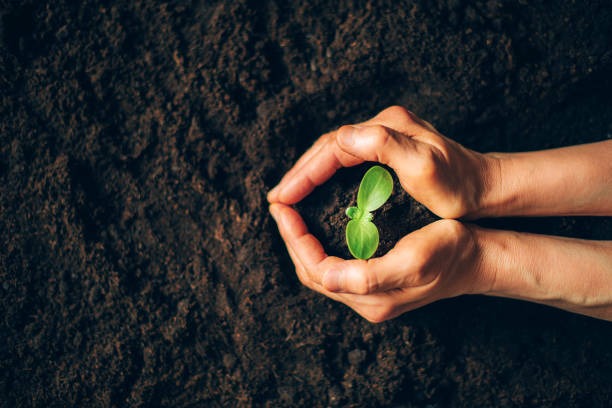
Soil! That often-overlooked, underappreciated, and sometimes downright mysterious substance that holds the key to your plants' success. If you want your plants to thrive, you need to give them the right foundation, and that starts with choosing the right soil.
Why Soil Matters
Soil is more than just dirt. It's a complex ecosystem teeming with life, from microscopic bacteria to earthworms and other critters. It provides plants with the nutrients, water, and air they need to grow and thrive. Choosing the right soil can mean the difference between a lush, healthy plant and a sad, struggling one.
How to Choose the Right Soil
Know Your Plant's Needs: Different plants have different soil preferences. Some prefer well-draining soil, while others thrive in moist, nutrient-rich soil. Research your plant's specific needs to ensure it gets the right type of soil.
Consider the Soil Type: There are several types of soil, each with its own unique characteristics. Here are a few common types and the plants that thrive in them:
Clay Soil: Heavy and dense, clay soil retains water and nutrients well but can become compacted and difficult to work with. Plants that thrive in clay soil include hydrangeas, dogwoods, and magnolias.
Sandy Soil: Light and gritty, sandy soil drains quickly and is low in nutrients. Plants that thrive in sandy soil include cacti, succulents, and lavender.
Loamy Soil: The Goldilocks of soil types, loamy soil is a balanced mix of sand, silt, and clay. It drains well but retains enough moisture and nutrients to support a wide variety of plants.
Peaty Soil: Rich in organic matter, peaty soil is acidic and retains moisture well. Plants that thrive in peaty soil include blueberries, azaleas, and rhododendrons.
Amend as Needed: If your soil isn't quite right for your plants, don't worry. You can amend it by adding organic matter, such as compost, peat moss, or perlite. This can improve the soil's structure, drainage, and nutrient content, making it more suitable for your plants.
Test Your Soil: If you're unsure about your soil's pH or nutrient content, consider testing it. Soil test kits are widely available and can provide valuable insights into your soil's health. This information can help you choose the right soil amendments and fertilizers to support your plants' growth.
Container Gardening: If you're growing plants in containers, choose a high-quality potting mix. These mixes are specially formulated to provide the right balance of nutrients, water, and air for container-grown plants. Avoid using garden soil in containers, as it can become compacted and difficult to drain.
Fun Fact: The Living Soil
Did you know that a single teaspoon of healthy soil can contain billions of microorganisms? These tiny creatures play a crucial role in breaking down organic matter, cycling nutrients, and supporting plant growth. They're the unsung heroes of the plant world, working tirelessly to create a healthy, thriving ecosystem beneath our feet.
3. Water your plants regularly
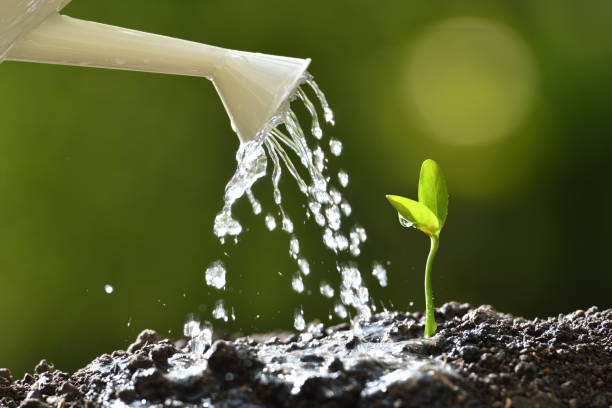
The elixir of life, the essence of existence, the magical potion that turns a wilted plant into a vibrant, thriving beauty. If you want your plants to flourish, you need to water them regularly. But not just any watering will do; it's an art, a science, a delicate dance of hydration that requires knowledge, patience, and a touch of intuition.
Why Water Matters
Water is essential for plant growth and survival. It helps transport nutrients from the soil to the plant's cells, supports photosynthesis, and maintains the plant's structure and turgor pressure (that's the pressure that keeps the plant's cells firm and upright). Without enough water, your plants will become droopy, weak, and prone to disease.
How to Water Your Plants Regularly
Know Your Plant's Thirst: Different plants have different watering needs. Some prefer to be kept consistently moist, while others thrive in drier conditions. Research your plant's specific watering requirements to ensure it gets the right amount of water.
Check the Soil: The best way to determine if your plant needs water is to check the soil. Stick your finger about an inch into the soil. If it feels dry, it's time to water. If it's still moist, hold off. Remember, it's better to underwater than to overwater.
Water Deeply and Thoroughly: When you water your plants, make sure to water deeply and thoroughly. This encourages deep root growth and helps prevent shallow root systems that are prone to drought stress. Water until the water runs out of the drainage holes in the bottom of the pot.
Water at the Right Time: The best time to water your plants is in the morning. This gives the water a chance to soak into the soil and reach the roots before the heat of the day causes excessive evaporation. Avoid watering in the evening, as this can promote fungal growth and other issues.
Use the Right Water: The quality of the water you use can affect your plants' health. If your tap water is high in chlorine or other chemicals, consider using filtered or distilled water. Additionally, avoid using water that's too cold or too hot, as this can shock your plants' roots.
Monitor Humidity Levels: Some plants prefer higher humidity levels, while others thrive in drier conditions. If your plant prefers higher humidity, consider misting it regularly, using a humidity tray, or grouping it with other plants to create a microclimate.
Fun Fact: The Plant Water Cycle
Did you know that plants are part of the water cycle? Through a process called transpiration, plants release water vapor into the atmosphere. This water vapor then condenses to form clouds, which eventually release the water back to the earth as rain. It's a beautiful, never-ending cycle that connects all living things on our planet.
4. Fertilize your plants regularly
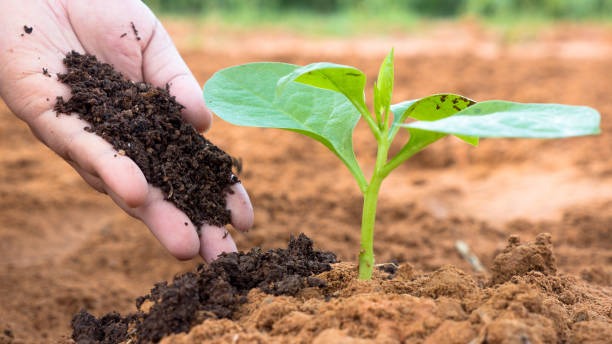

The plant equivalent of a gourmet meal, the secret sauce that turns a so-so plant into a thriving, vibrant beauty. If you want your plants to flourish, you need to feed them regularly. But not just any old scraps will do; it's an art, a science, a delicate balance of nutrients that requires knowledge, patience, and a touch of intuition.
Why Fertilizer Matters
Fertilizers provide plants with the essential nutrients they need to grow and thrive. These nutrients, typically nitrogen (N), phosphorus (P), and potassium (K), are the building blocks of plant growth and are crucial for healthy foliage, strong roots, and vibrant blooms. Without regular fertilization, your plants can become weak, stunted, and prone to disease.
How to Fertilize Your Plants Regularly
Know Your Plant's Appetite: Different plants have different nutrient requirements. Some are heavy feeders, while others prefer a more modest diet. Research your plant's specific fertilizer needs to ensure it gets the right balance of nutrients.
Choose the Right Fertilizer: There are many types of fertilizers available, from granular to liquid, organic to synthetic. Choose a fertilizer that's tailored to your plant's specific needs and your personal preferences. Some popular options include:
Granular Fertilizers: Slow-release and easy to apply, granular fertilizers are a great choice for most plants. They provide a steady supply of nutrients over time and are ideal for outdoor gardens and container plants.
Liquid Fertilizers: Fast-acting and easy to apply, liquid fertilizers are a great choice for plants that need a quick nutrient boost. They're ideal for container plants and plants that are actively growing or flowering.
Organic Fertilizers: Made from natural materials like compost, manure, and bone meal, organic fertilizers are a great choice for those who prefer a more natural approach to plant care. They're slow-release and provide a steady supply of nutrients over time.
Synthetic Fertilizers: Made from chemical compounds, synthetic fertilizers are a great choice for those who want fast results. They're typically more concentrated and provide a quick nutrient boost, but they can also be harsher on plants and the environment.
Follow the Instructions: More fertilizer is not always better. Follow the instructions on the package to avoid over-fertilizing, which can burn your plants' roots and damage their foliage. A little goes a long way, so it's better to err on the side of caution.
Fertilize at the Right Time: The best time to fertilize your plants is during their active growing season, typically spring and summer. This is when they're actively producing new growth and can make the most of the extra nutrients. Avoid fertilizing during the dormant season, as this can encourage weak, leggy growth that's prone to disease.
Monitor Your Plants: Keep an eye on your plants to make sure they're responding well to the fertilizer. If they start to look yellow, burned, or otherwise unhealthy, they might be getting too much fertilizer. If they're not growing as vigorously as you'd like, they might need a little more. Adjust your fertilization routine accordingly.
Fun Fact: The NPK Ratio
Ever wondered what those three numbers on your fertilizer package mean? They represent the NPK ratio, or the relative amounts of nitrogen (N), phosphorus (P), and potassium (K) in the fertilizer. For example, a fertilizer with an NPK ratio of 10-10-10 contains equal amounts of nitrogen, phosphorus, and potassium. A fertilizer with an NPK ratio of 20-10-5 contains more nitrogen, less phosphorus, and even less potassium. Choosing the right NPK ratio for your plants can make a big difference in their health and growth.
5. Protect your plants from pests and diseases
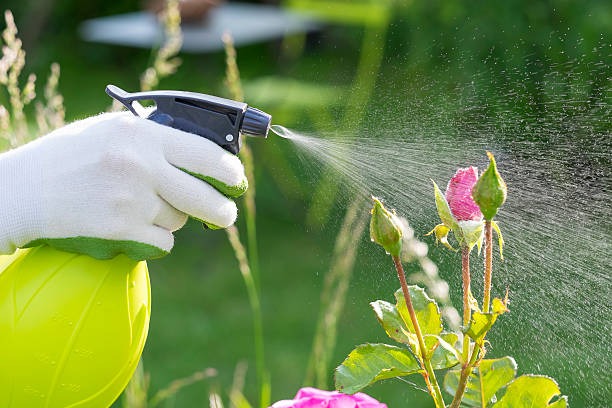
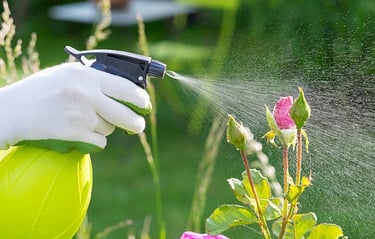
Pests and diseases. The bane of every plant parent's existence, the uninvited guests that crash the party and wreak havoc on your precious greens. If you want your plants to thrive, you need to protect them from these unwanted visitors. But fear not, fellow plant enthusiasts! With the right knowledge and a proactive approach, you can keep your plants safe and healthy.
Why Pest and Disease Control Matters
Pests and diseases can cause significant damage to your plants, from stunted growth and yellowing leaves to complete and utter devastation. They can also spread quickly, infecting other plants in your garden or home. Protecting your plants from pests and diseases is crucial for their health and vitality.
How to Protect Your Plants from Pests and Diseases
Inspect Regularly: The best way to catch pests and diseases early is to inspect your plants regularly. Look for signs of damage, such as chewed leaves, discolored foliage, or unusual spots and lesions. Early detection makes treatment much easier and more effective.
Quarantine New Plants: When you bring a new plant home, keep it separate from your other plants for a few weeks. This gives you time to monitor it for any signs of pests or disease. If you notice any issues, treat the plant promptly and keep it isolated until it's completely healthy.
Use Natural Predators: Nature has a way of balancing itself out. Encourage beneficial insects, such as ladybugs, lacewings, and praying mantises, to take up residence in your garden. These natural predators feed on common garden pests, helping to keep their populations in check.
Practice Good Hygiene: Keep your garden or plant area clean and tidy. Remove dead leaves, fallen fruit, and other debris that can harbor pests and diseases. Disinfect your tools regularly to prevent the spread of pathogens.
Choose Resistant Varieties: When selecting new plants, choose varieties that are resistant to common pests and diseases in your area. These plants have been bred or selected for their ability to withstand attacks, making them a great choice for low-maintenance gardens.
Use Physical Barriers: Sometimes, the best defense is a good offense. Use physical barriers, such as row covers, netting, or collars, to protect your plants from pests. These barriers can prevent pests from reaching your plants and causing damage.
Apply Organic Treatments: If you notice pests or diseases on your plants, treat them promptly with organic treatments. Options include neem oil, insecticidal soap, and horticultural oil. These treatments are effective against a wide range of pests and diseases and are gentle on the environment.
Rotate Crops: If you're growing edible plants, practice crop rotation. This involves planting different types of plants in the same area each year to prevent the buildup of pests and diseases that target specific plants. Crop rotation can help keep your garden healthy and productive.
Fun Fact: The Plant Immune System
Did you know that plants have their own immune system? When a plant is attacked by a pest or pathogen, it releases chemical signals that alert nearby plants to the threat. These plants then activate their own defenses, producing toxins and other compounds that make them less appealing to pests and more resistant to disease. It's a fascinating example of plant communication and cooperation!

Taking care of plants doesn't have to be a source of stress. It’s a rewarding, often messy, and wonderfully educational hobby. By mastering these five fundamentals, providing ample light, selecting the right soil, watering responsibly, feeding appropriately, and staying vigilant against pests, you'll give your green buddies everything they need to thrive. Every drooping leaf is a lesson, and every new shoot is a tiny victory. Now go forth, conquer the watering dilemma, and enjoy your green-filled life!