
Top Places to Visit in Japan for Travelers
FEATUREDTOURISM
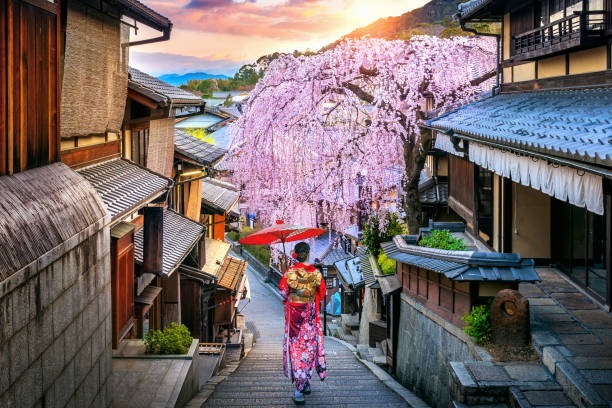
Japan is a fascinating country with a rich history and culture. It is a popular tourist destination and is home to some of the most beautiful natural scenery in the world.
These are just a few of the many amazing places to visit in Japan. With its rich history, culture, and natural beauty, Japan is a country that has something to offer everyone.
5 Places In Japan You Should Visit As A Tourist
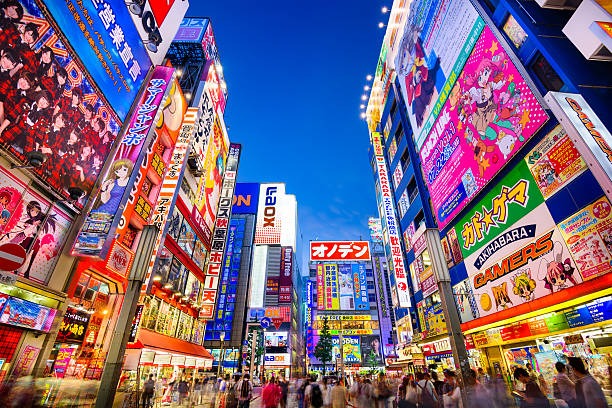
As a tourist in Tokyo, you absolutely must experience the controlled chaos of the Shibuya Crossing, a perfect symbol of the city's energy. For cultural depth, spend time exploring the historic Senso-ji Temple in Asakusa, offering a glimpse into old Tokyo. To grasp the city's future-forward style, walk the trendy streets of Harajuku for unique fashion and visit the electric town of Akihabara for all things anime and electronics. Finally, ascend the Tokyo Skytree or Tokyo Tower for incredible, expansive views of the sprawling city below.
Food and Community Vibe
Tokyo boasts an unparalleled food scene, home to more Michelin stars than any other city, but also offering fantastic, accessible street food. You must try authentic sushi and comforting bowls of ramen, easily found on almost every corner. Don't skip the unique experience of dining in a tiny, specialized restaurant in the Golden Gai district. The community is famously efficient, orderly, and incredibly polite, adhering to high standards of public etiquette. Expect people to be reserved but always helpful, fostering a safe and respectful atmosphere despite the massive population density.
Things to Be Careful Of
The biggest challenge in Tokyo is its sheer size and the complexity of its subway system, though it is highly efficient, always allow extra time for transfers, and plan your routes carefully. While very safe, avoid being overly loud or boisterous in public, as this can be seen as highly disrespectful in Japanese culture. Also, be aware that many establishments, particularly smaller restaurants, still operate on a cash-only basis, so always carry sufficient Japanese Yen with you to ensure a smooth experience.
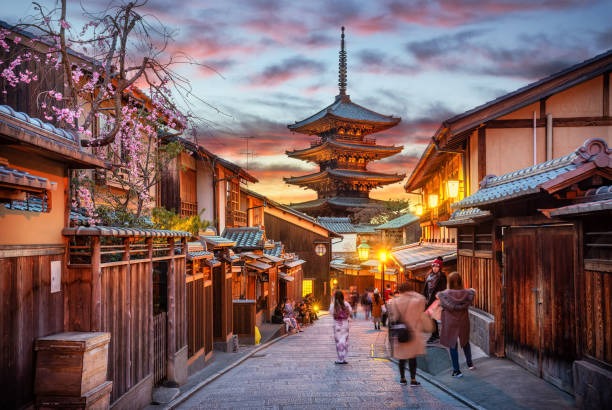
Kyoto is the cultural and spiritual capital of Japan, so tourists must focus on visiting its thousands of beautiful temples and shrines. A visit to the brilliant red Fushimi Inari Shrine, with its thousands of iconic torii gates winding up the mountain, is non-negotiable. You should also explore the tranquil bamboo groves of Arashiyama and see the magnificent golden pavilion, Kinkaku-ji. For a glimpse of traditional Japan, stroll through the preserved historic district of Gion, where you might catch sight of a geisha or maiko, especially in the early evening.
Food and Community Vibe
Kyoto’s cuisine is known for its elegant refinement, featuring kaiseki, a traditional multi-course meal, which is a true culinary art form. Make sure to sample the local matcha green tea, which is especially prized here, and try yudofu, a specialty dish featuring hot tofu. The community vibe is incredibly respectful, quiet, and deeply traditional. Unlike Tokyo, the pace here is slower and more reserved, focusing on preserving ancient customs and crafts. Locals maintain a profound sense of decorum and pride in their historical city, offering a serene and profoundly enriching cultural experience.
Things to Be Careful Of
When visiting temples and shrines, always be respectful of the sacred space, adhering to posted rules about photography and noise, and avoid entering restricted areas. In districts like Gion, be extremely careful not to harass or photograph geiko and maiko without explicit permission; this is considered highly rude and can lead to fines. Also, remember that Kyoto is best navigated using buses and trains, but ensure you carry sufficient Yen cash, especially for smaller temple entry fees or charming local shops.
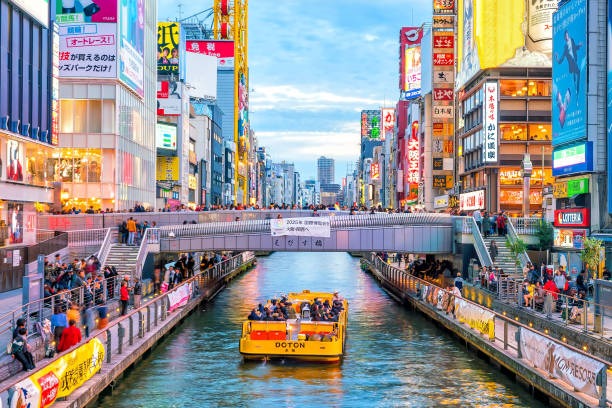
Osaka is famous for its lively urban centers and historical landmarks. Tourists must spend an evening in Dotonbori, the city’s entertainment district, famous for its giant illuminated signboards, especially the iconic Glico Running Man, and its buzzing street food scene. You should also visit the magnificent Osaka Castle, a symbol of the city’s rich feudal past. Its grounds are beautiful, particularly during cherry blossom season. For shopping and modern architecture, explore the vast underground malls and the unique Umeda Sky Building with its Floating Garden Observatory.
Food and Community Vibe
Osaka is affectionately known as Tenka no Daidokoro, or "The Nation's Kitchen," and its food is essential. You must try the regional specialties: savory okonomiyaki, often called a Japanese savory pancake, and crispy, delightful takoyaki, which are delicious octopus balls. The community vibe here is distinctly more outgoing, humorous, and straightforward than in Tokyo or Kyoto. Locals are known for their easygoing nature and their love of good food and fun, making for a very energetic and welcoming atmosphere where conversation flows easily.
Things to Be Careful Of
While Osaka is very safe, be mindful of basic city precautions in crowded nightlife areas like Dōtonbori, keeping personal belongings secure. One cultural point to remember is to avoid "walking and eating" on the street, especially food like takoyaki, as it is generally considered poor manners in Japan. Also, be aware of the etiquette on escalators, where people generally stand on the right in Osaka, unlike Tokyo, where people stand on the left, an important small detail for navigating the public spaces efficiently.
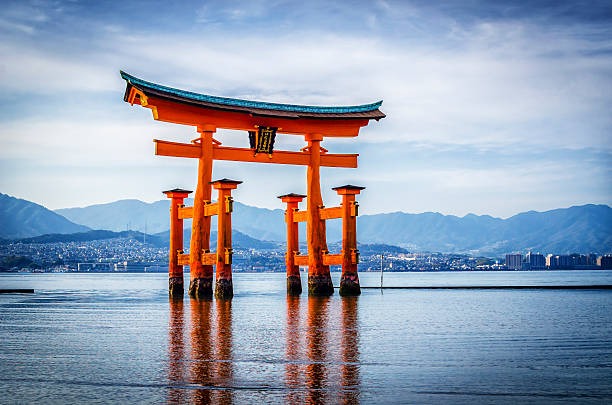
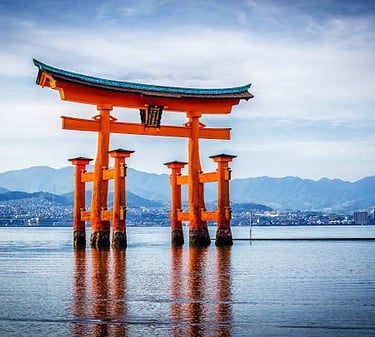
Hiroshima is a city dedicated to remembrance and peace, so a visit to the Peace Memorial Park and Museum is the most essential, powerful, and moving experience a tourist can have here. It is a deeply impactful visit. You should also take a ferry ride to the nearby island of Miyajima to see the iconic, floating red torii gate of the Itsukushima Shrine, especially beautiful at high tide. Exploring the restored and majestic Hiroshima Castle provides a glimpse into the city’s feudal past before its destruction and rebirth.
Food and Community Vibe
Hiroshima has a delicious and unique regional specialty that tourists must try: its style of okonomiyaki, which is distinctly layered with cabbage, noodles, and egg, unlike the mixed style found in Osaka. You can find excellent vendors serving this dish in the bustling Okonomi mura area. The community vibe is one of profound resilience, quiet dignity, and commitment to peace. Locals are incredibly thoughtful and welcoming, possessing a deep, collective hope for the future while honoring their past, creating a uniquely respectful and reflective atmosphere for visitors.
Things to Be Careful Of
When visiting the Peace Memorial Park and Museum, maintaining a high degree of quiet respect and solemnity is paramount, as this is a sacred site of remembrance. While navigating the city is straightforward using its efficient tram system, be sure to always carry an umbrella or rain gear, as the weather, particularly near the coast, can change quickly. Also, when taking the ferry to Miyajima, remember that the island is very tourist-heavy, so be patient and move carefully through the crowded streets leading to the shrine.
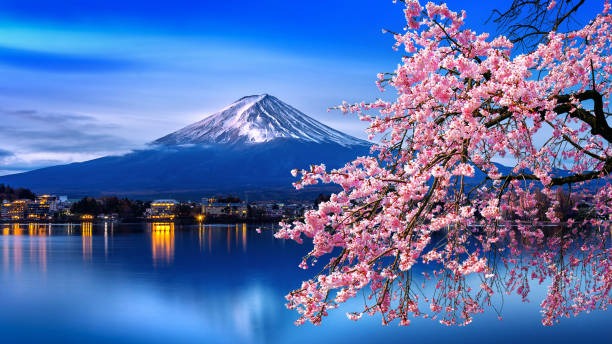
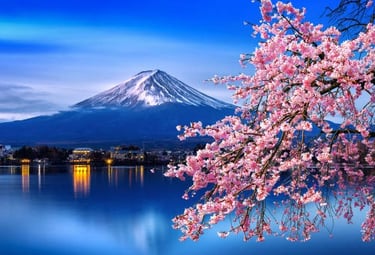
While many aspire to climb Mount Fuji, which is typically only possible during the short summer climbing season, most tourists enjoy the mountain from the beautiful surrounding area known as the Fuji Five Lakes region. You absolutely must visit Lake Kawaguchiko for the most famous, picture-postcard views of the mountain, often reflecting beautifully on the water's surface. For nature lovers, exploring the mystical Aokigahara Forest, or Sea of Trees, offers an eerie yet fascinating natural experience near the base. Also consider the panoramic views from the Chureito Pagoda at the Arakura Sengen Shrine for a quintessential Japanese photo opportunity.
Food and Community Vibe
The food found in the areas surrounding Mount Fuji is hearty and comforting, designed to fuel hikers and mountain visitors. Regional specialties include Hōtō, a thick udon noodle soup cooked with vegetables in a miso base, perfect for warming up after a chilly day. The community vibe across the Fuji Five Lakes region is generally quiet, nature-loving, and traditionally focused. The locals are respectful and welcoming, maintaining a calmer, more serene pace of life than the large cities, with a deep, almost spiritual reverence for the majestic mountain that dominates their landscape.
Things to Be Careful Of
If you choose to climb Mount Fuji, be extremely careful of the high altitude sickness and the rapid weather changes, always checking the forecast and carrying appropriate gear, regardless of the season. Even when sightseeing around the base, the weather can be very unpredictable, so layers are essential. When visiting the lakes, be mindful of the natural environment, ensuring you stay on marked paths and respect the signs, as some natural areas are delicate or potentially hazardous. Always book accommodations well in advance, especially during the peak climbing or autumn viewing seasons.
This tour through Japan's five essential destinations reveals a country defined by its flawless balance: a place where ancient tradition exists in perfect harmony with a blindingly fast future. From the neon-lit, chaotic efficiency of Tokyo to the tranquil Zen gardens of Kyoto, and from the culinary dynamism of Osaka to the quiet, respectful history of Hiroshima, every city offers a distinct and profound experience.

The key insight for any traveler planning a trip to Japan is to embrace the nation's core value: respectful efficiency. The ease of travel is remarkable, but the depth of the cultural expectation requires you to be observant and courteous, whether you are admiring the perfect symmetry of Mount Fuji or navigating a busy subway.
By visiting these five places, you gain a complete picture of Japan's soul: its technological ambition, its spiritual heritage, its delicious, regional cuisine, and the unbreakable resilience of its people. Prepare to be inspired by the beauty, calmed by the tradition, and welcomed by a culture that truly values both the individual and the collective journey.